Please refer to the Introduction Page to understand the context behind the monthly photographs.
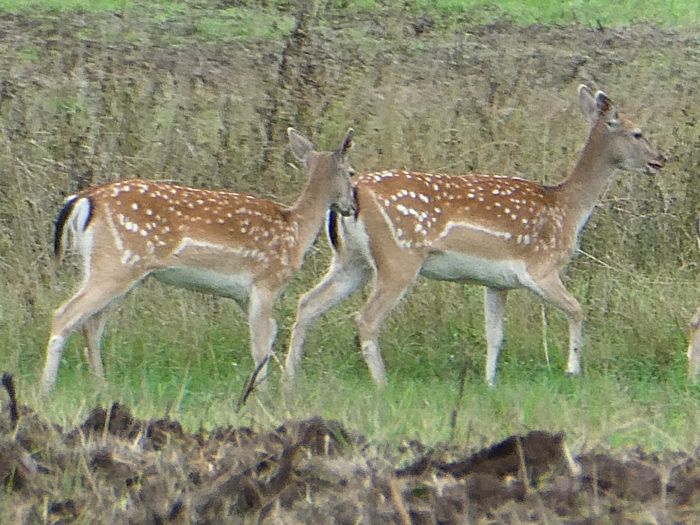
Animals
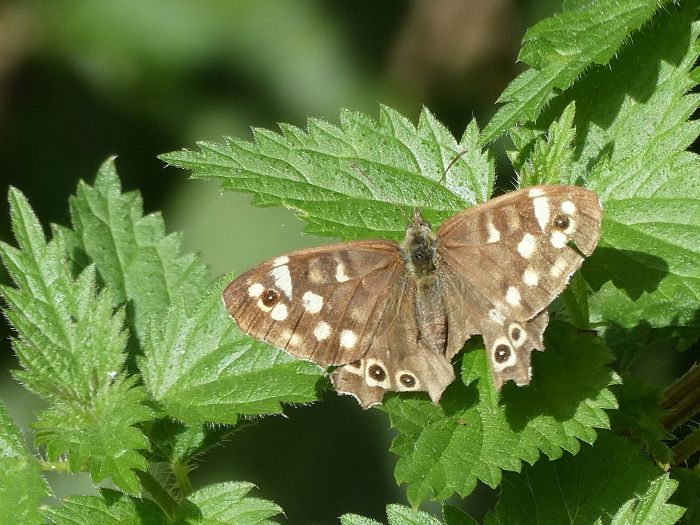
Butterflies
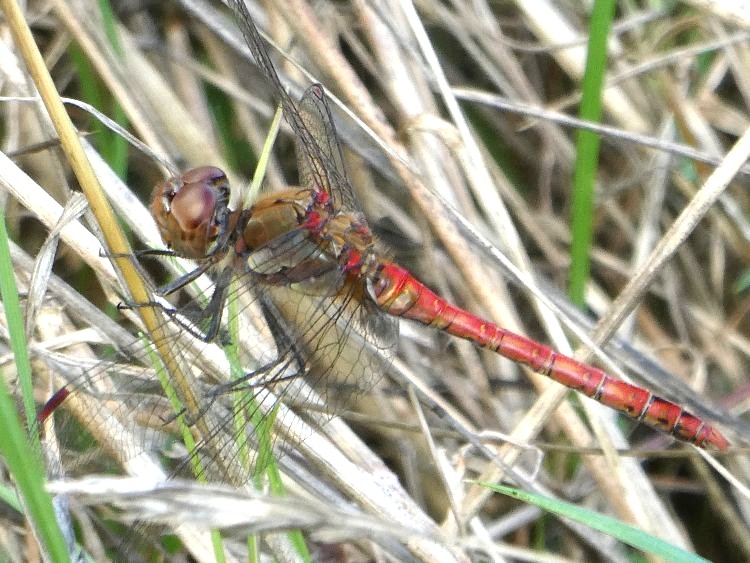
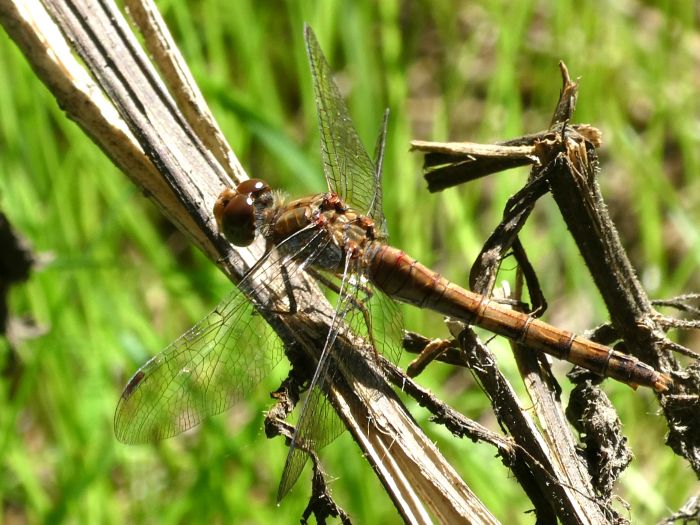
Dragonflies
Dragonflies have an average life of two to three weeks with a maximum of six.
Fungi
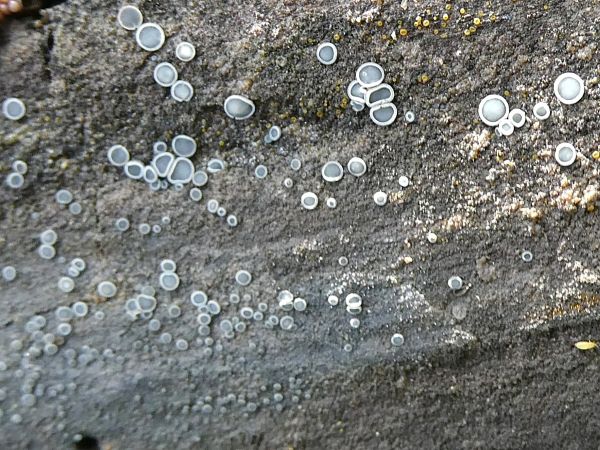
The Common Grey Disco (Mollisia cinera) is only 2mm in diameter.
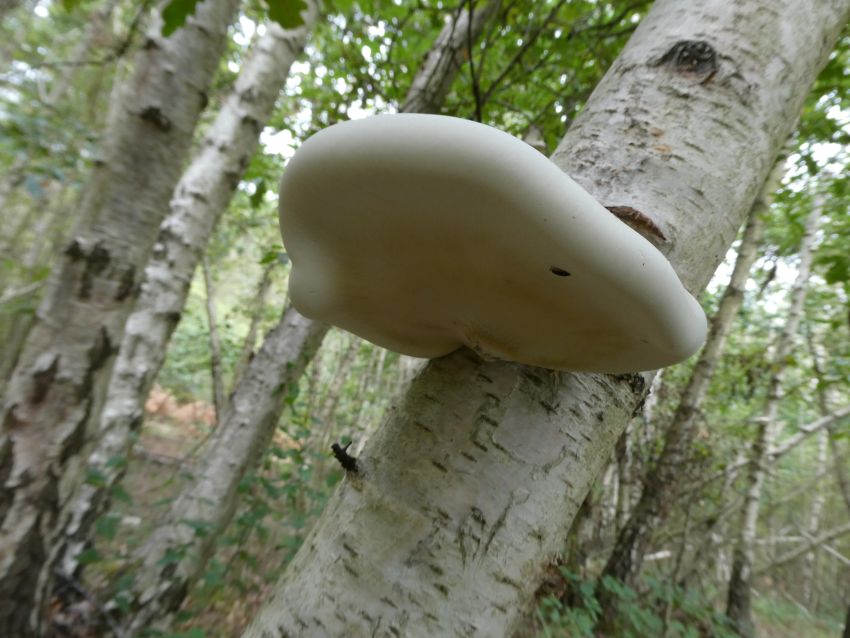
Fungi -MicroFungi
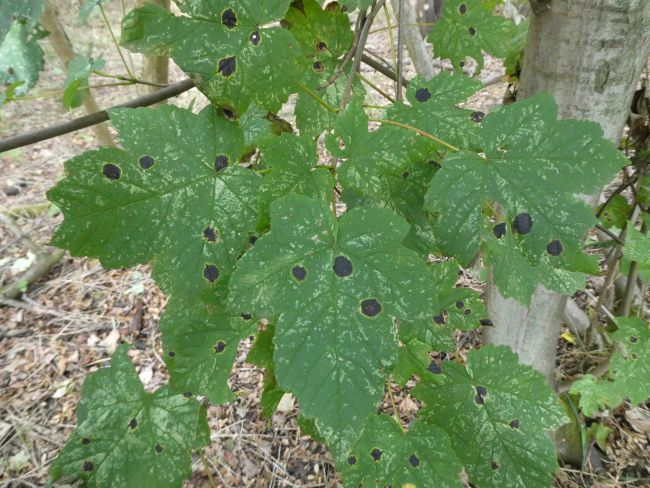
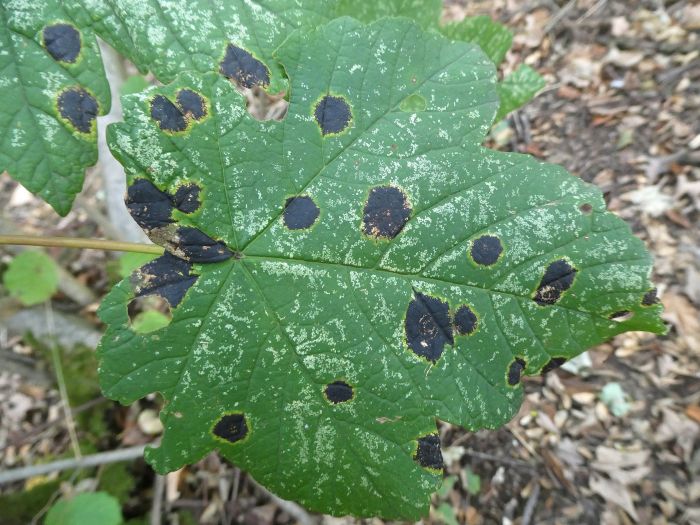
Sycamore Tar Spot (Rhytisma acerinum) occurs where the air is relatively clean. The fungus is sensitive to sulphur dioxide air pollution with trees in industrial areas rarely showing signs of this fungus.
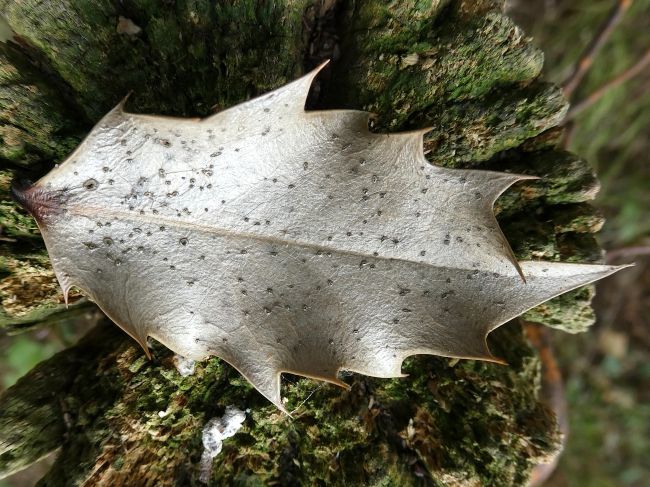
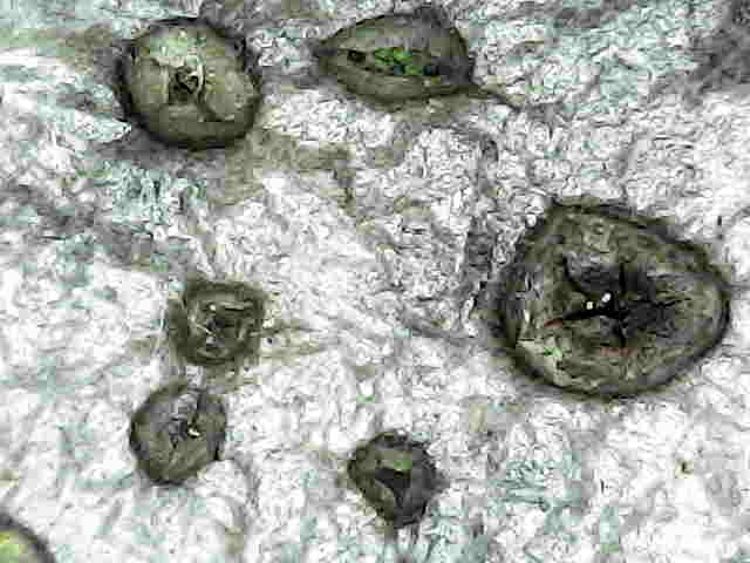
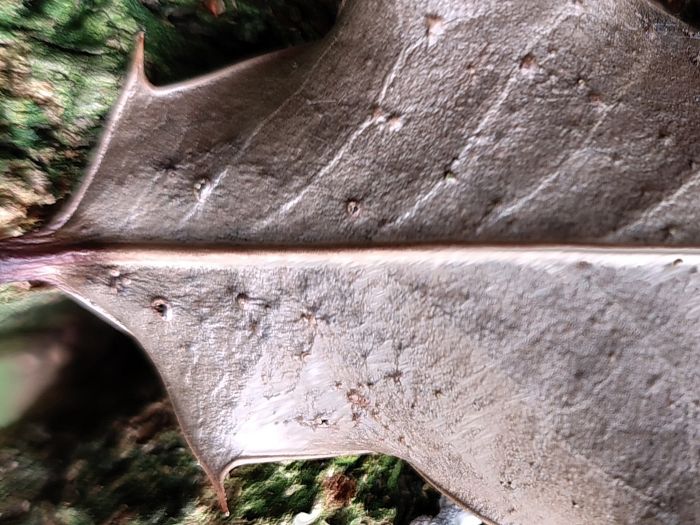
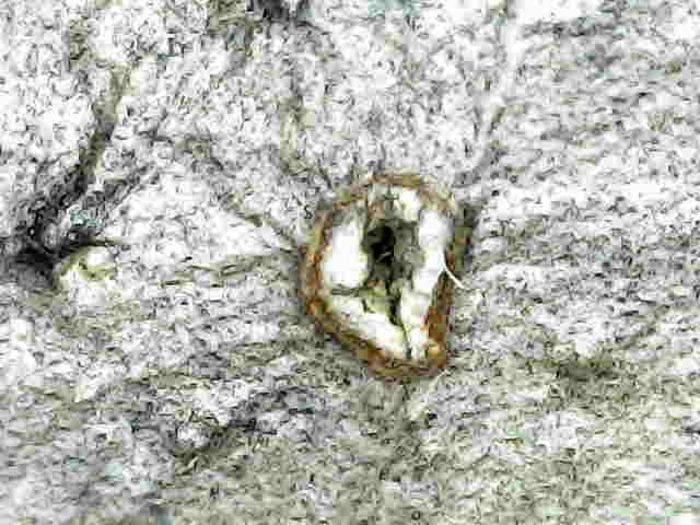
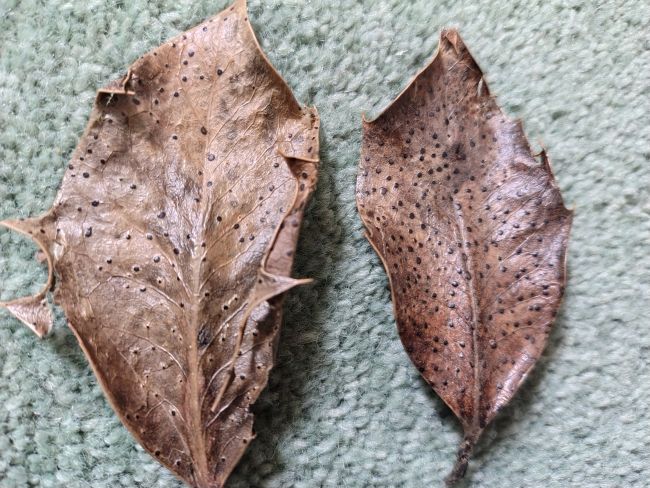
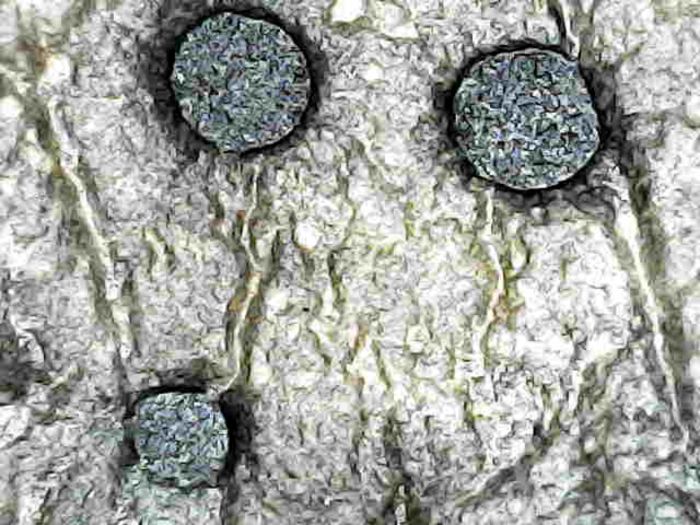
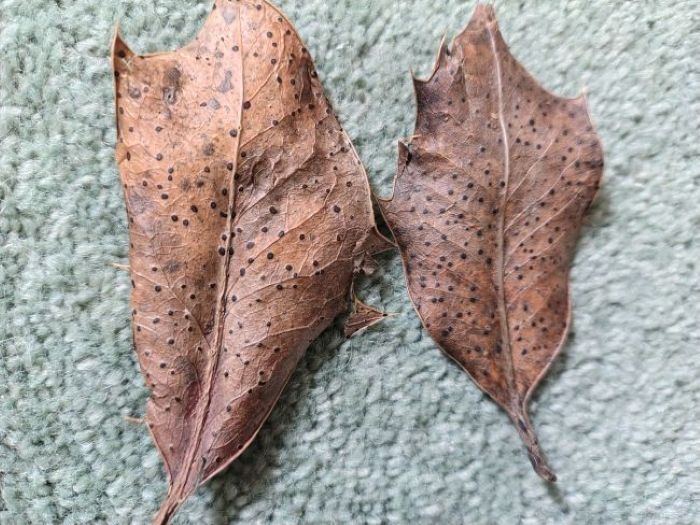
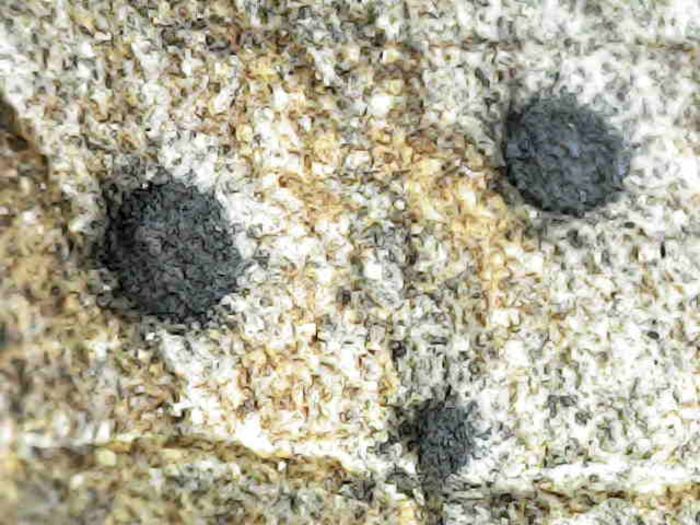
Phacidium lauri is one of the two micro-fungi found on Holly leaves.
Leaf 1 (grey one) was part of a group still attached to the branch. Leaves 2 & 3 (brown ones) are from the ground litter beneath that tree.
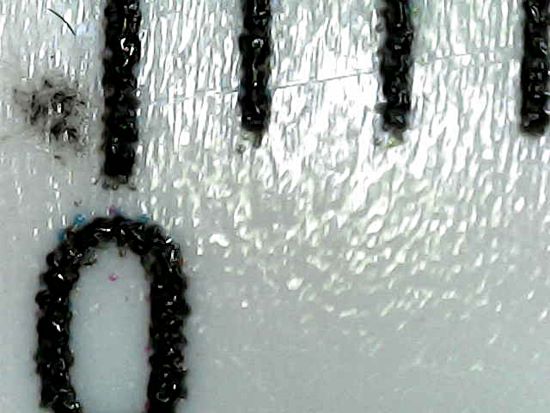
Note the four Close-up photographs use the 3mm scale bar attached below.
Insects
Lichens
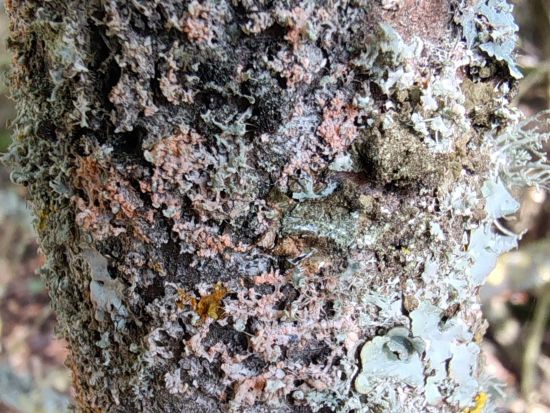
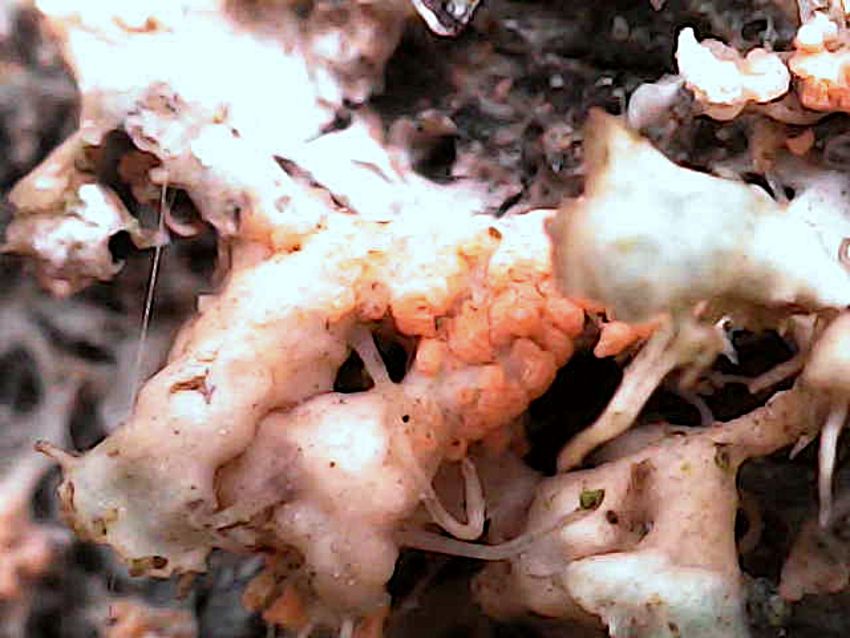
The blue-grey lichen Physcia is being parasited by the Lichenicolous fungus Erythricium aurantiacum bleaching it white with bright orange spore blobs.
Liverworts
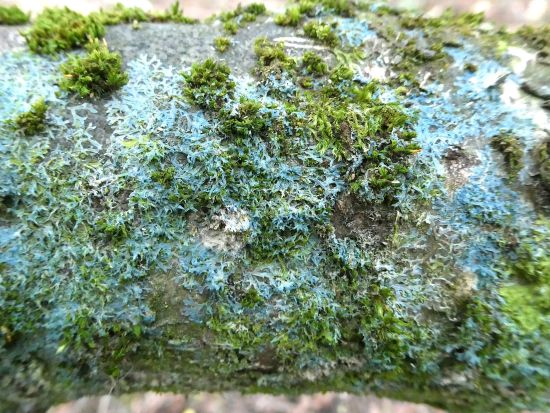
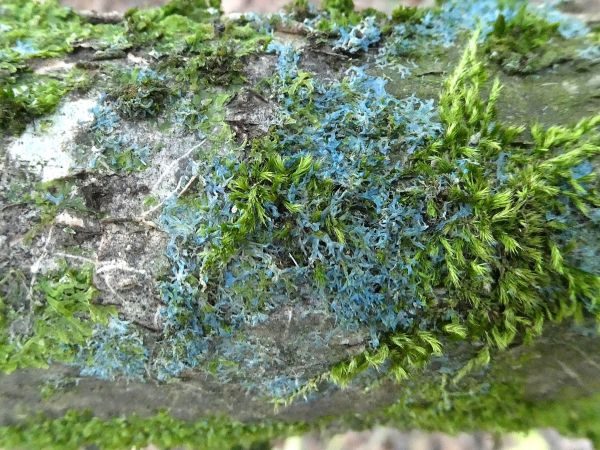
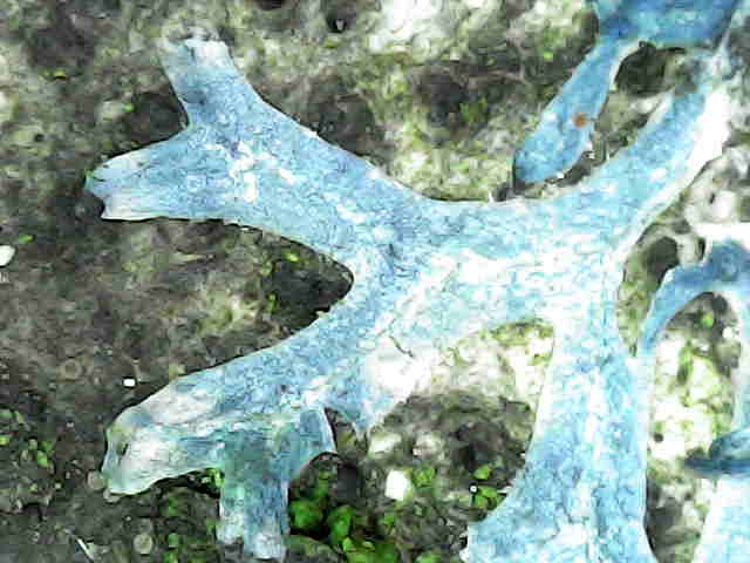
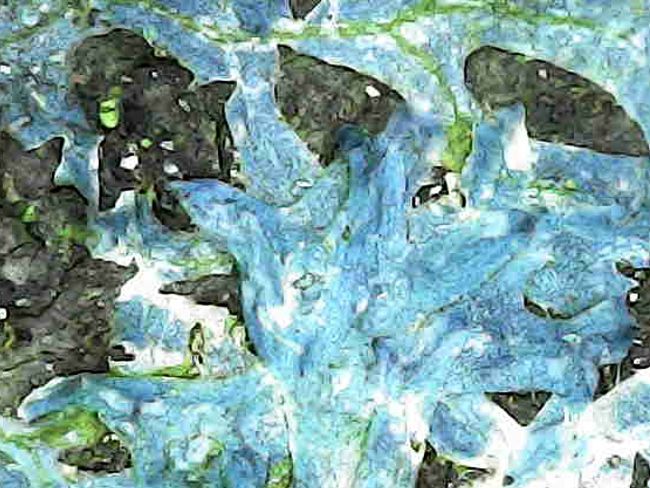
Forked veilwort not as we normally see this bright green liverwort but after the long drought this year and the last few days of rain it is in recovery mode. The white bleached look has started to turn icy blue with the normal green colour just starting to re-appear.
Moth - Caterpillars
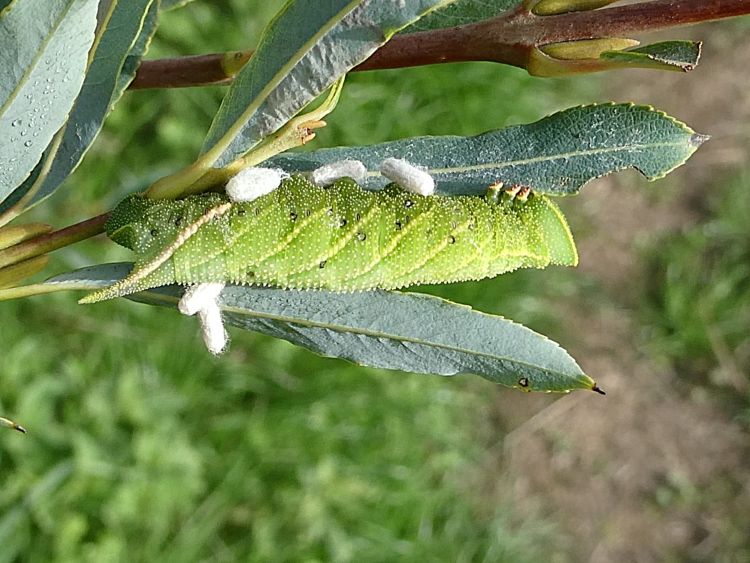
The white silk cocoons on this caterpillar indicates it has been feed on internally by Parasoid wasp larve. These are no larger than a pin head. The white silk cocoons show that the larve are now leaving the host to pupate in the silk cocoons they have created. The cycle from egg laying into the caterpillar by the adult wasp to an adult can take from a few days to a few weeks but unfortunately it will be terminal for the caterpillar.
Slime moulds
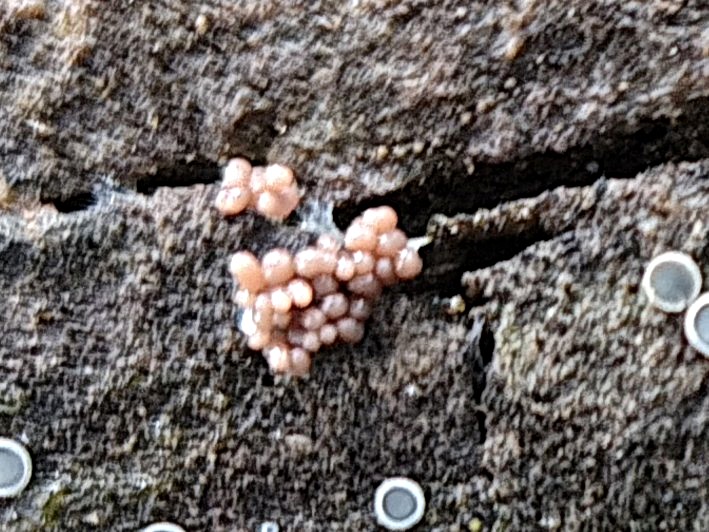
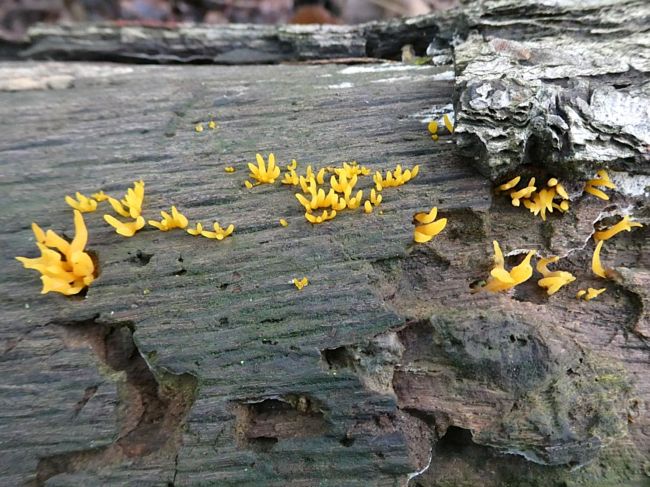
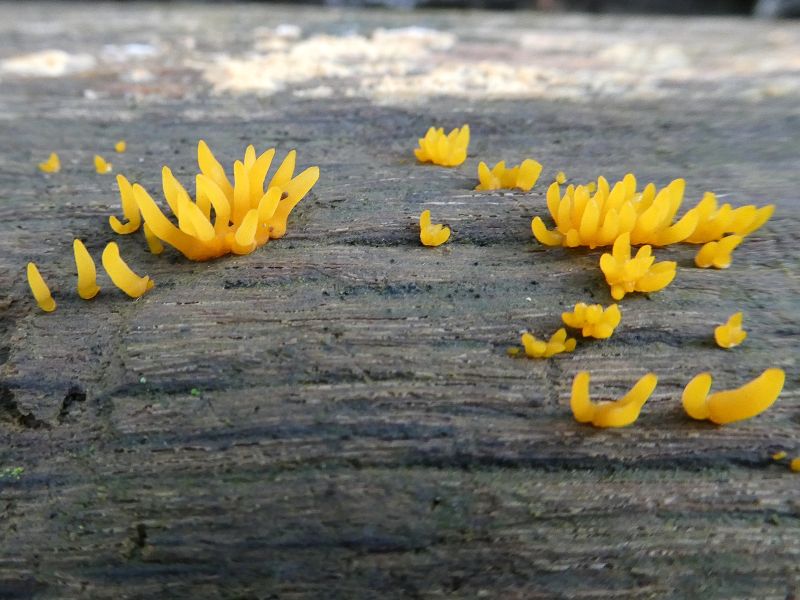
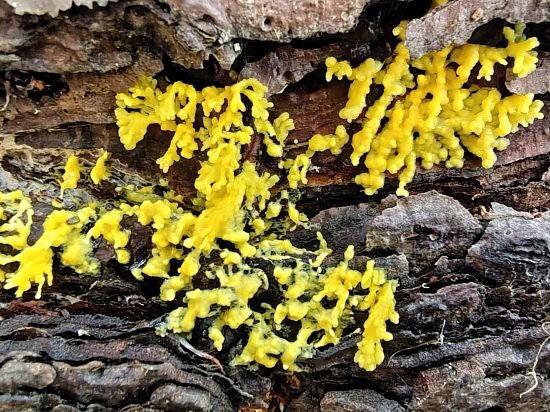
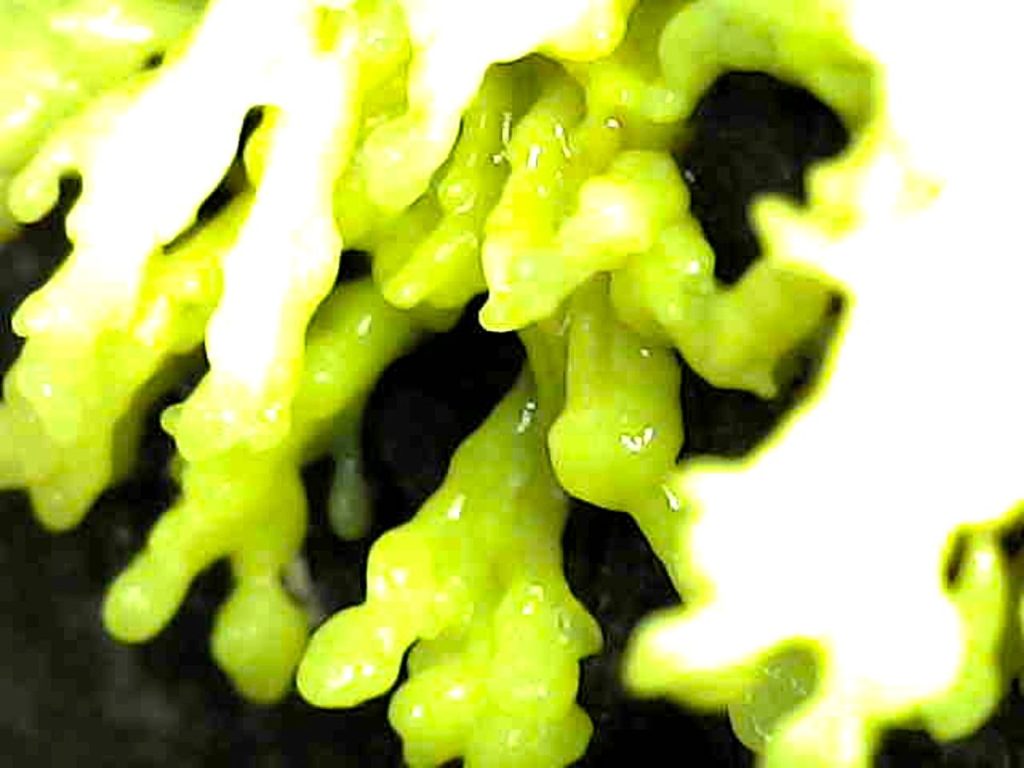
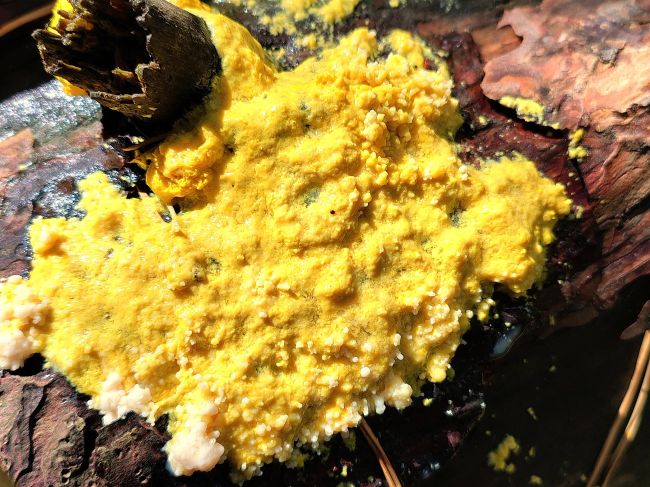
The last photograph is how we normal see this Slime mould in its static spore producing stage. The first two are the Slime mould at an intermediatory mobile stage in search of food.
Ones that escaped the camera lens this month
a) Emperor Dragonfly Male
b) Cormorant & Red Kite.
c) Munjac Deer Mother & young.