Please refer to the Introduction Page to understand the context behind the monthly photographs.
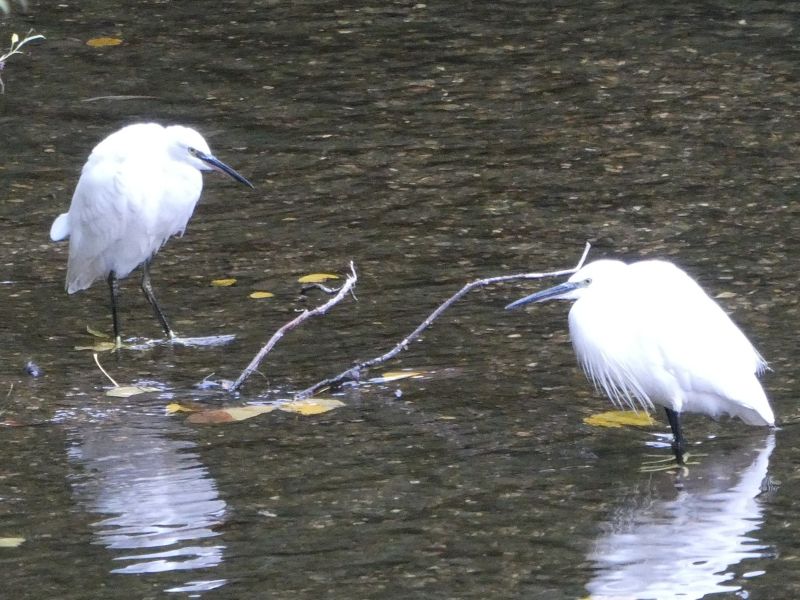
Birds
Fungi
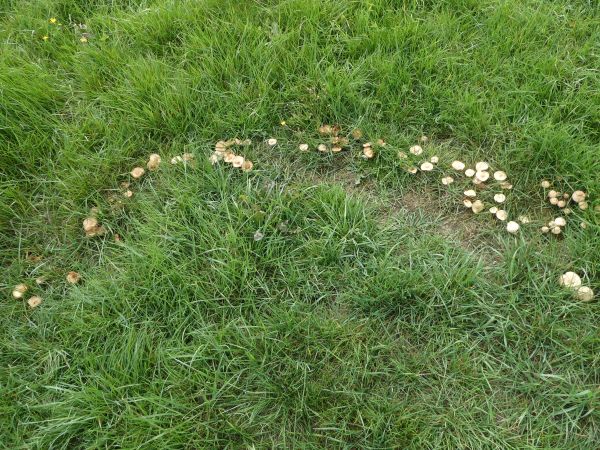
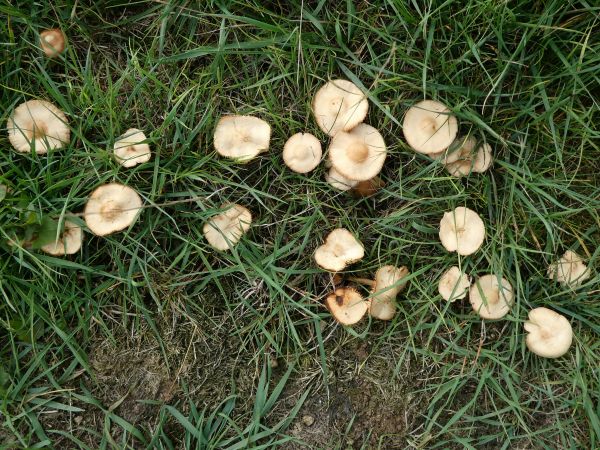
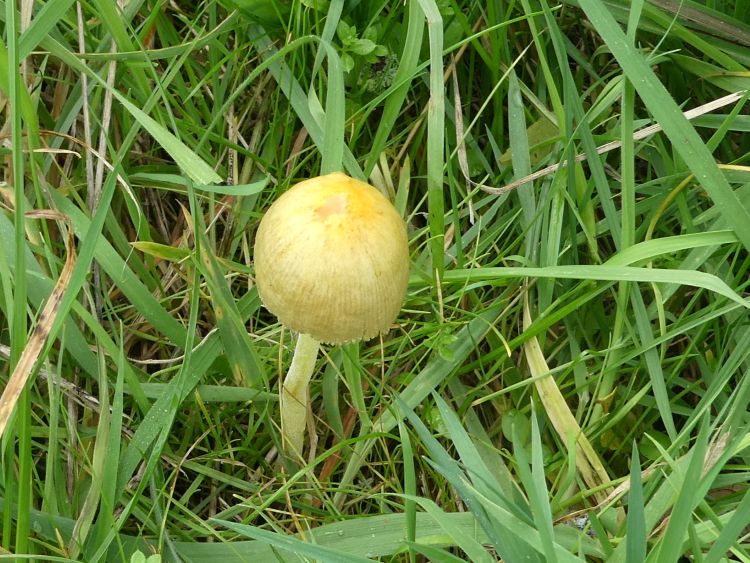
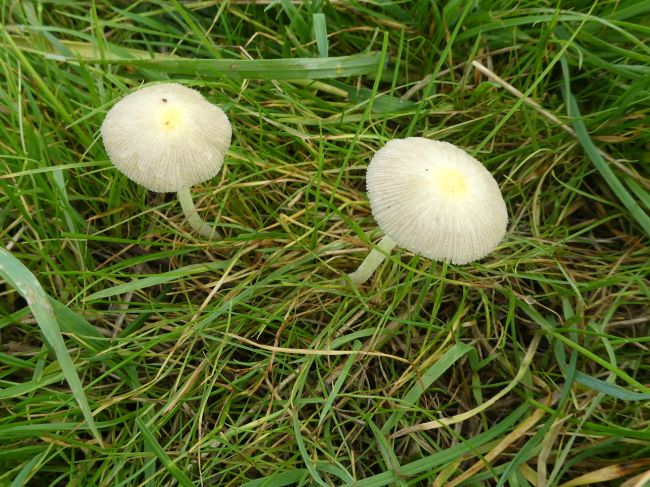
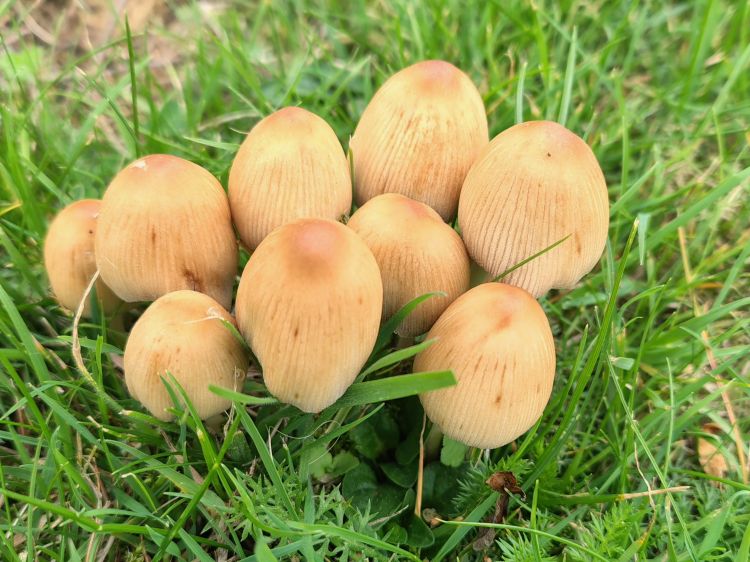
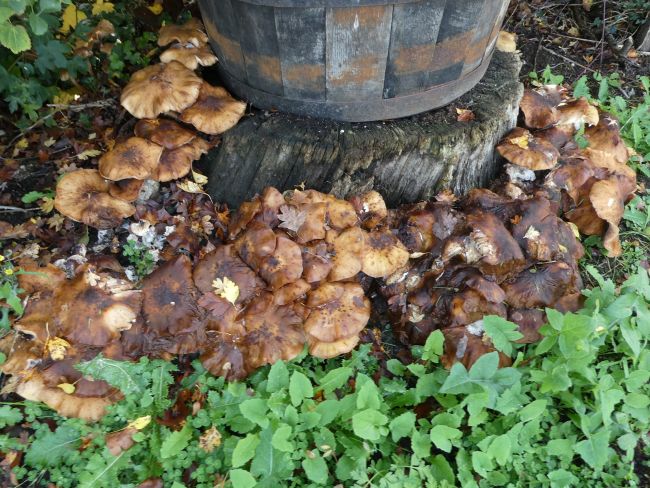
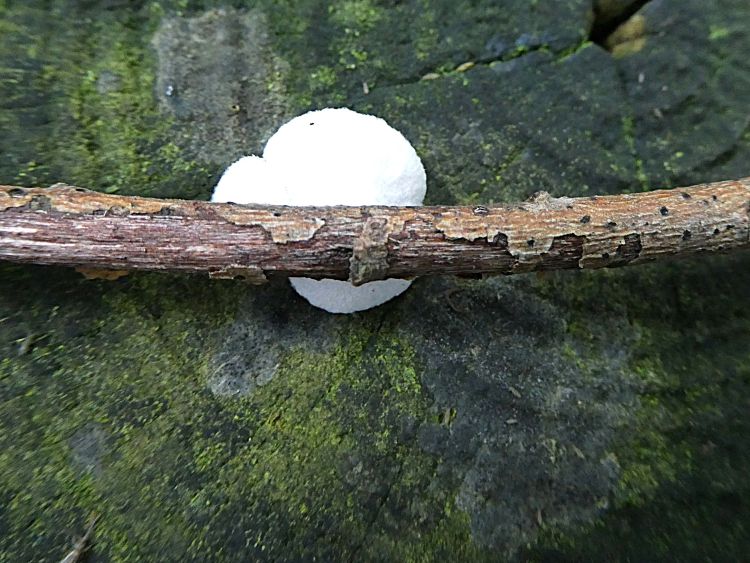
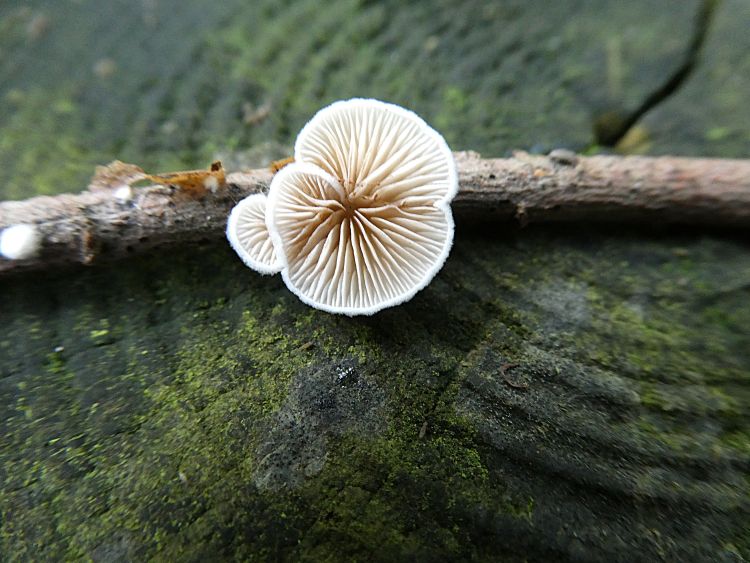
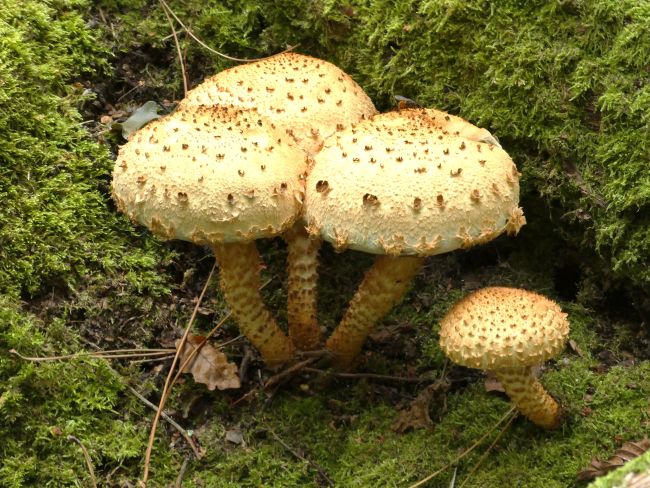
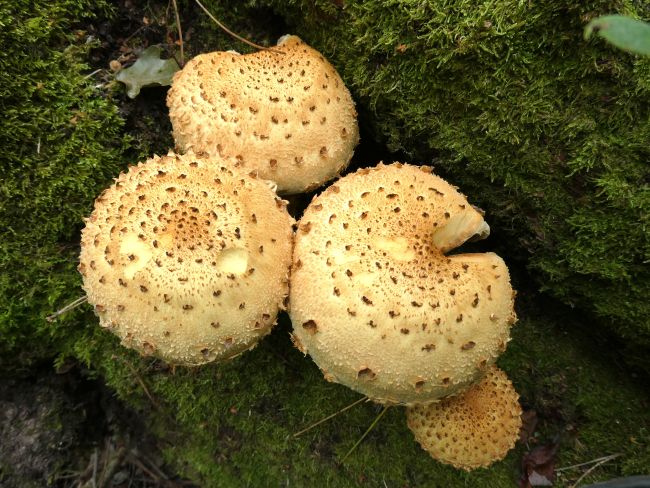
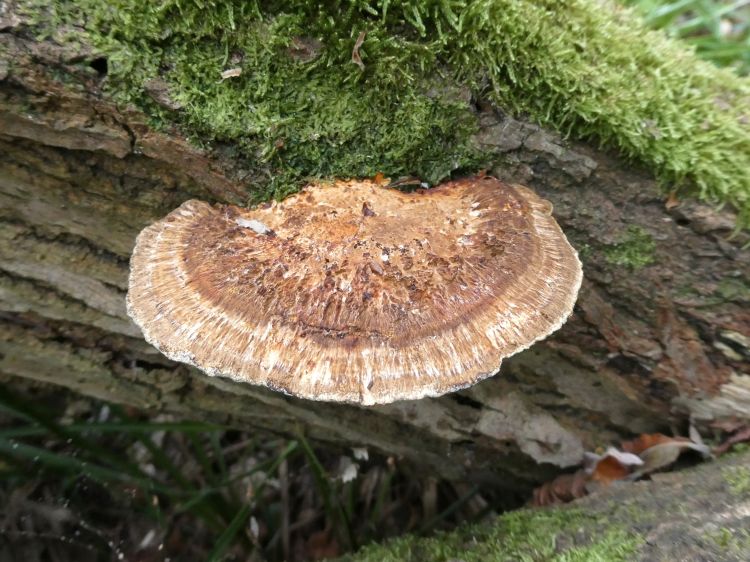
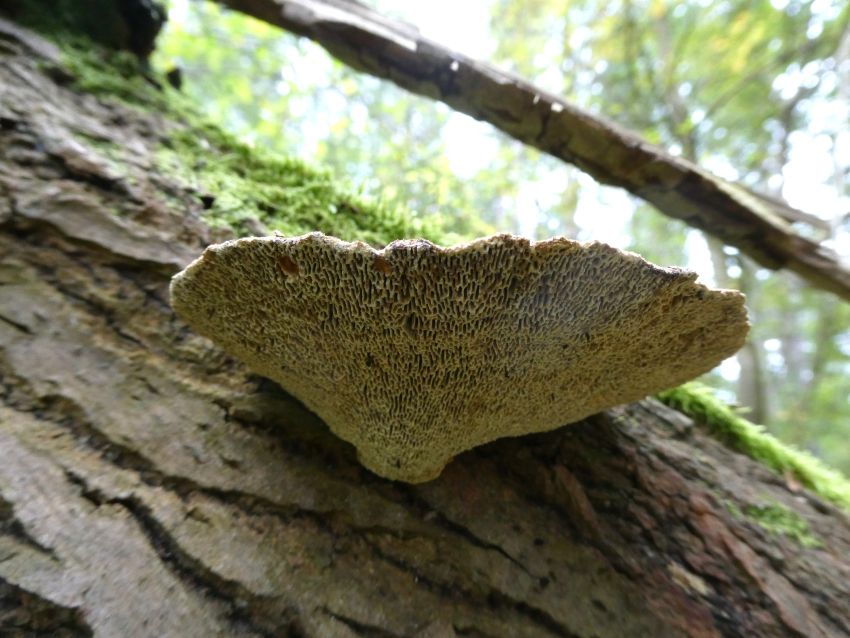
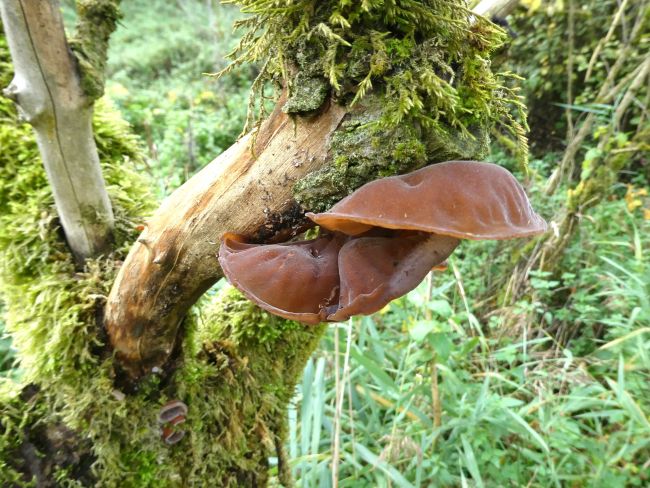
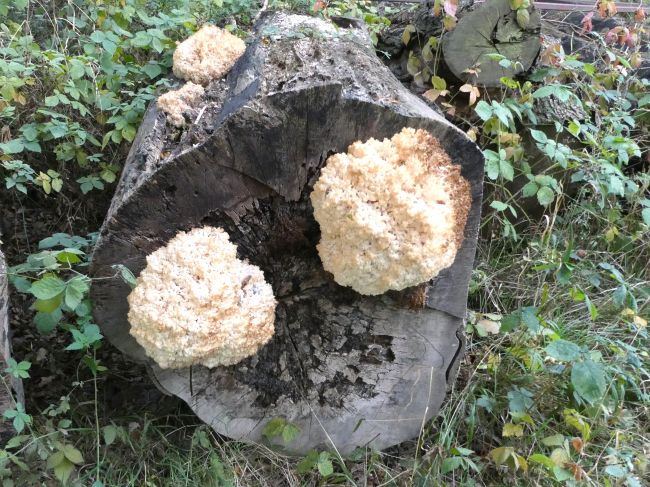
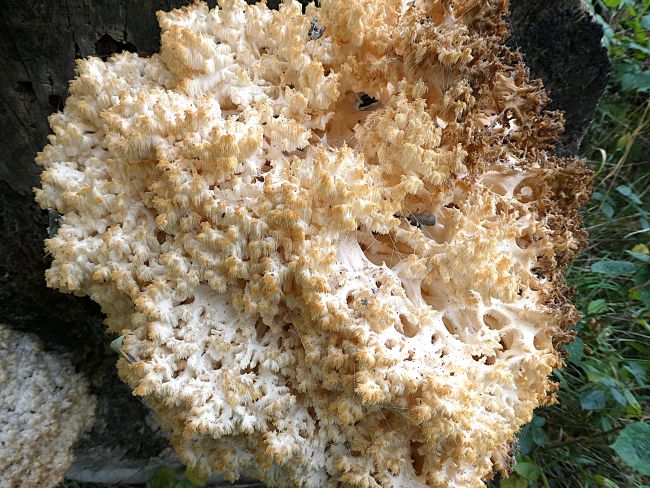
Compare this to last months photographs for an indication of the 4 week change in the size of this rare fungus.
Galls
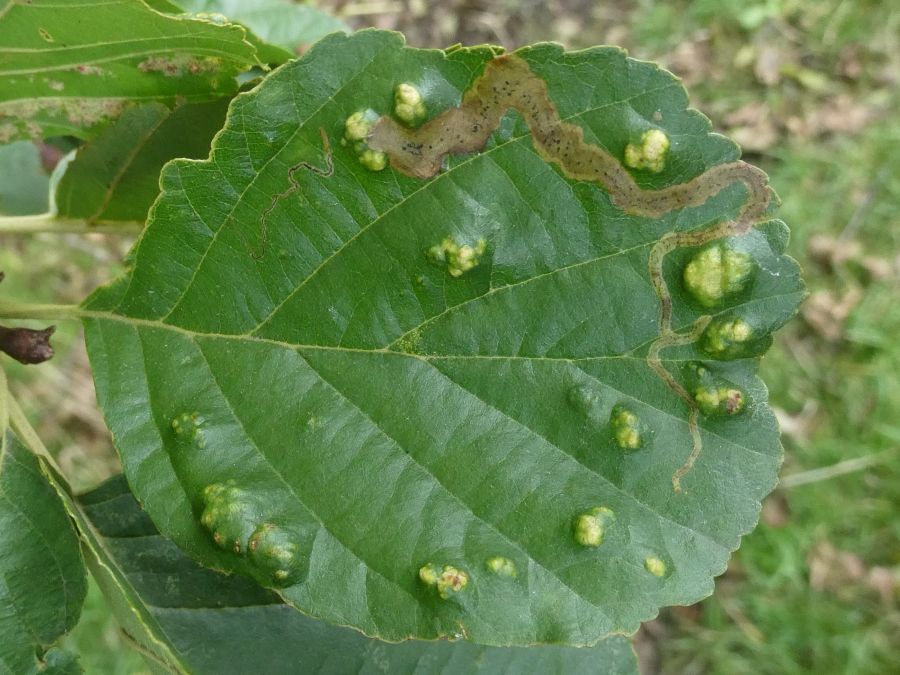
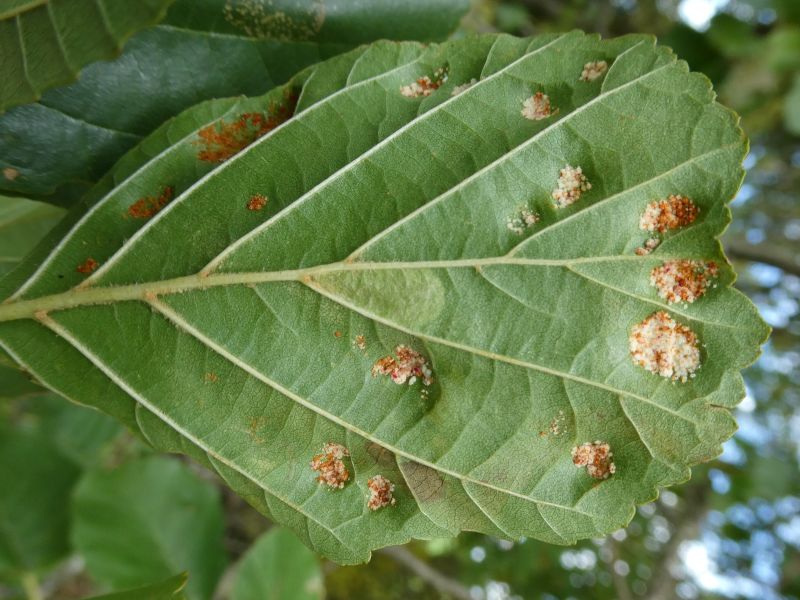
Leaf Miners
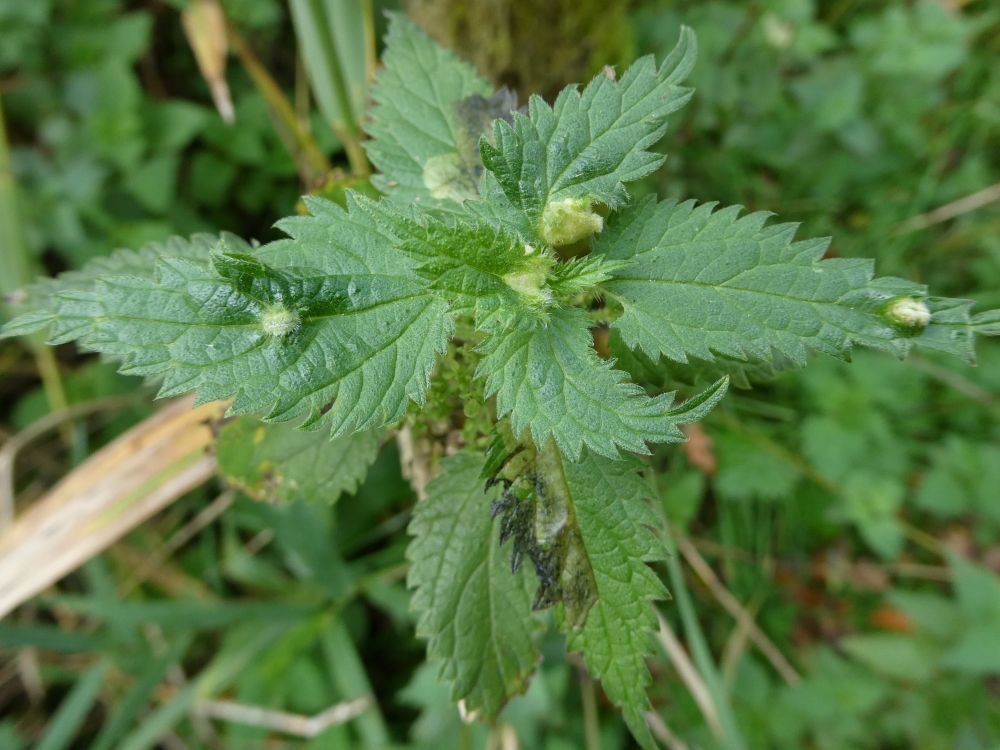
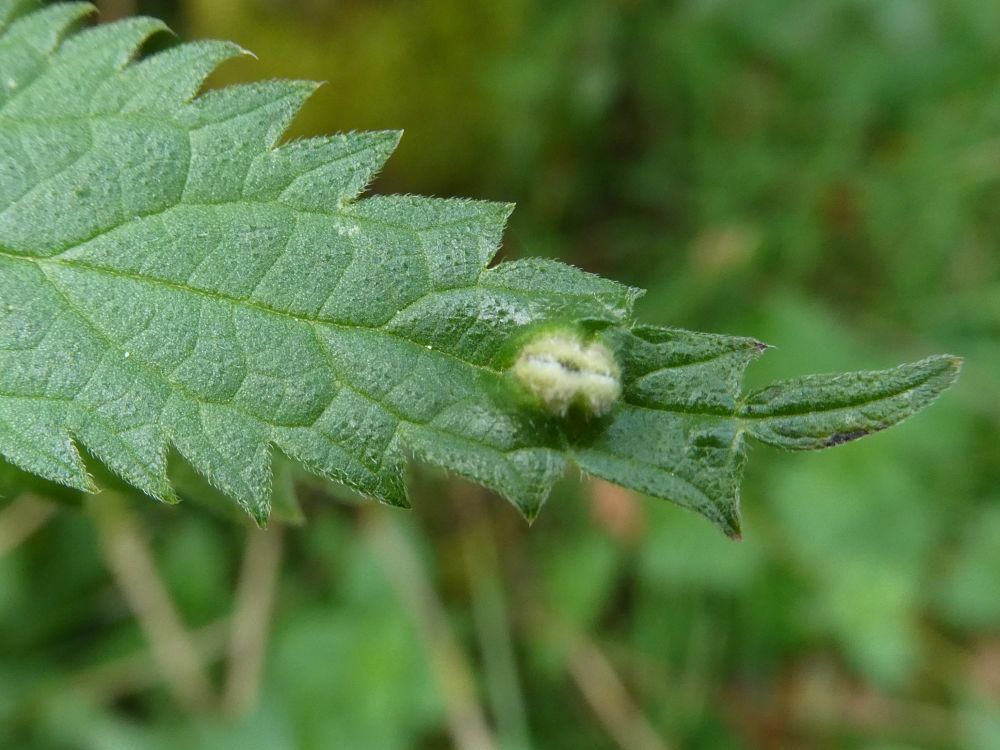
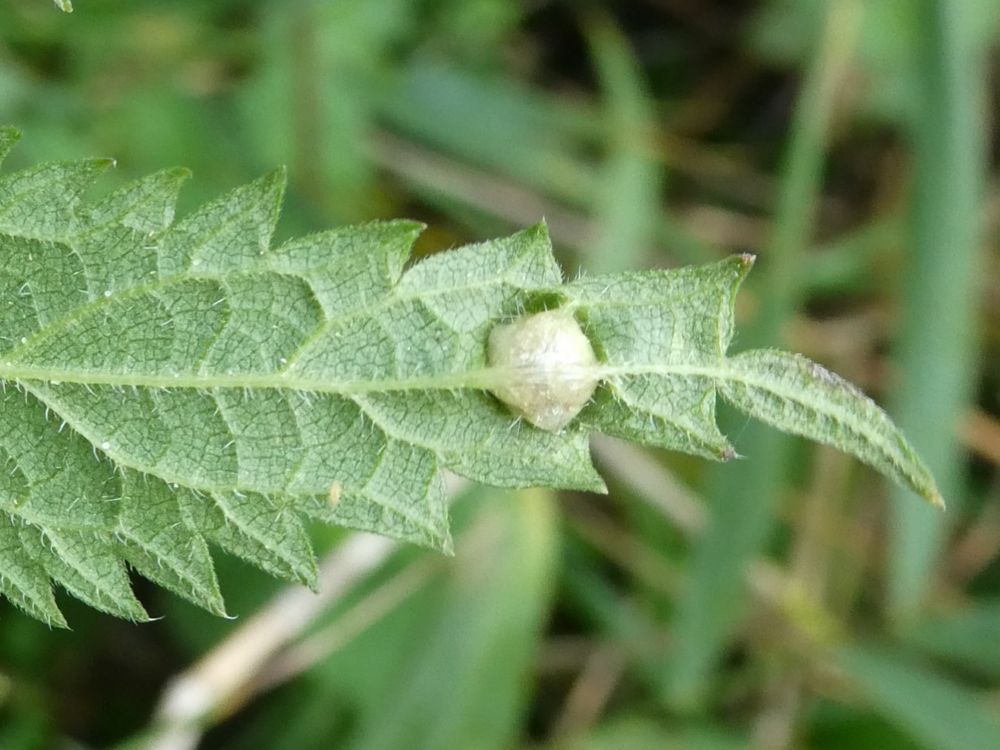
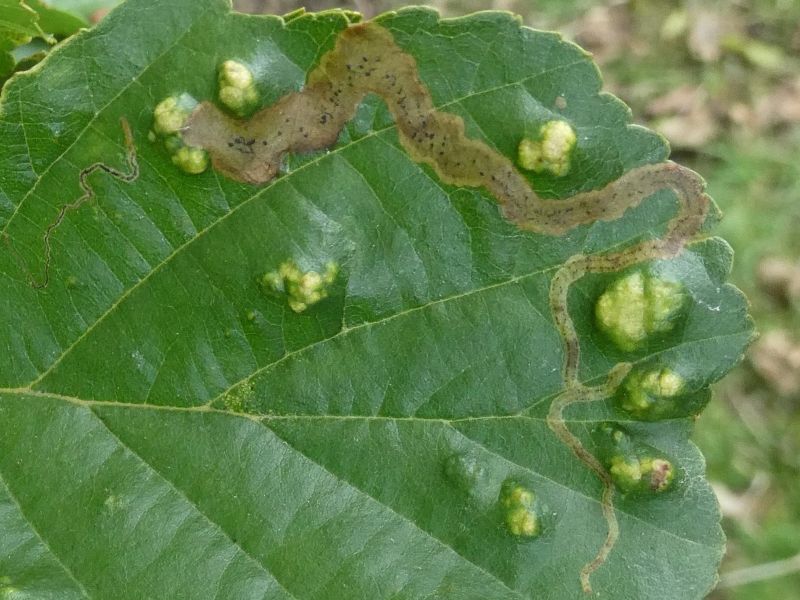
Same leaf as the Alder Galls but highlighting the Moth lavre mine.
Insects
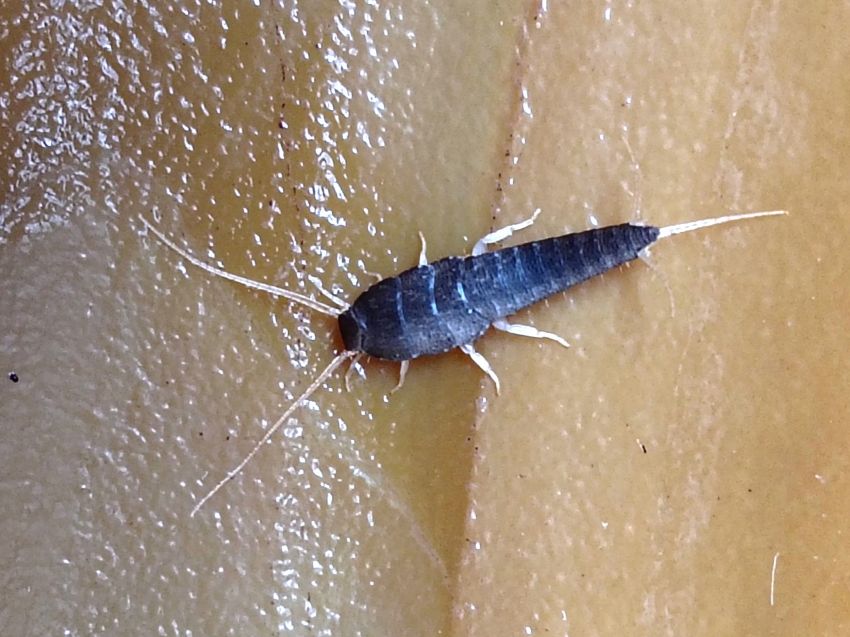
The tiny silverfish is so-named for its fish-like way of moving and its silvery scales. It can be found in the damp corners of the house, such as the kitchen or bathroom. Infestations can cause serious damage.
Trees
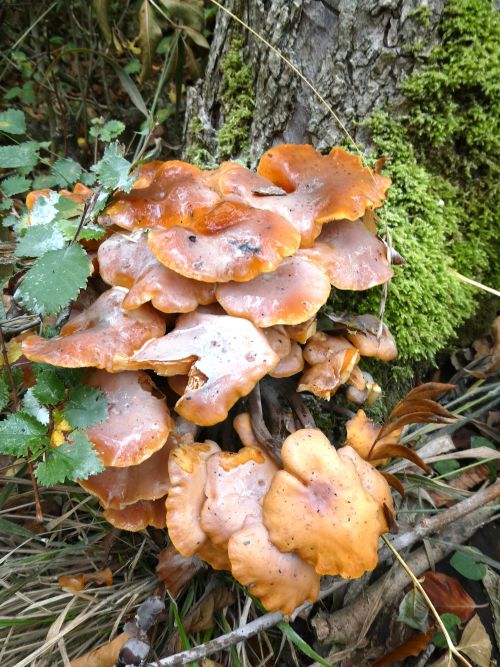
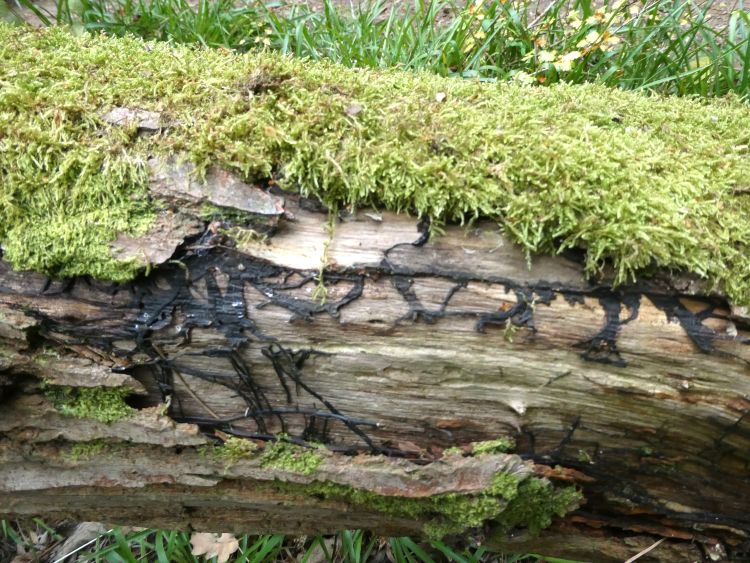
The Honey Fungus (see picture above) spreads by spores from the cap and by these black bootlaces called Rhizomorphs. The Rhizomorphs can be found on the tree roots spreading up the tree beneath the bark and through the soil travelling long distances through the ground to infect other trees. This fungus is the most dangerous parasite of trees causing white rot and arising in the death of the tree. There is no cure making this fungus responsible for large tree losses each year.
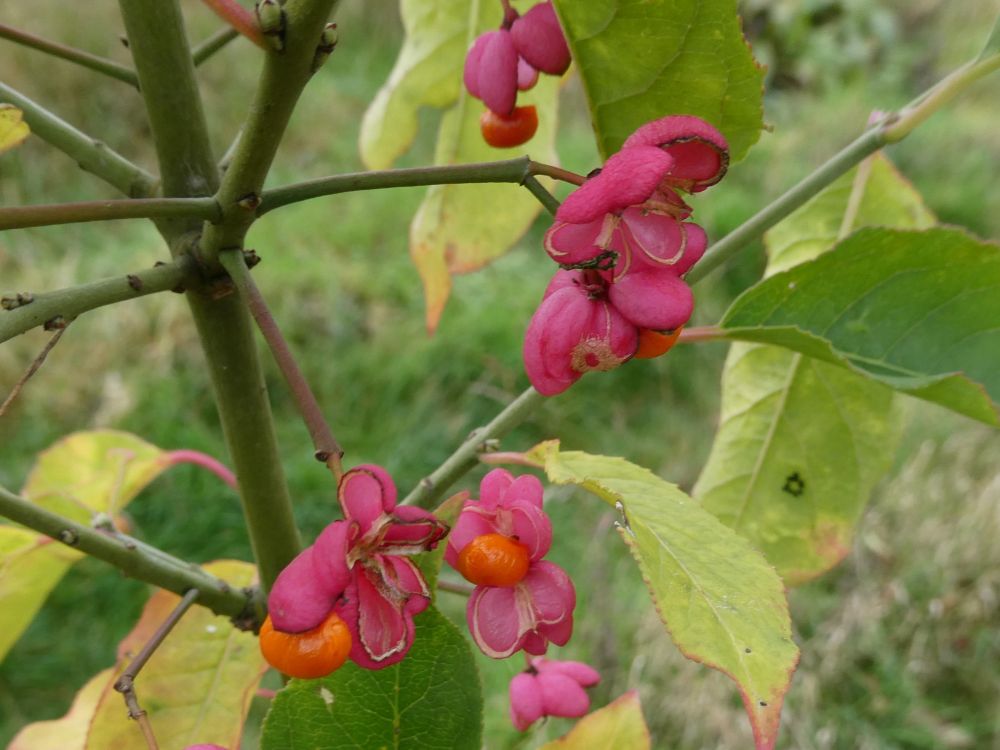
One of my favourite Autumn trees.
VC37 Hereford & Worcestershire
Beetles
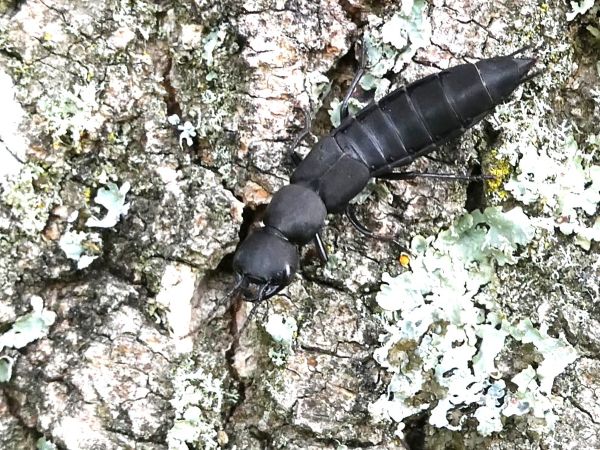
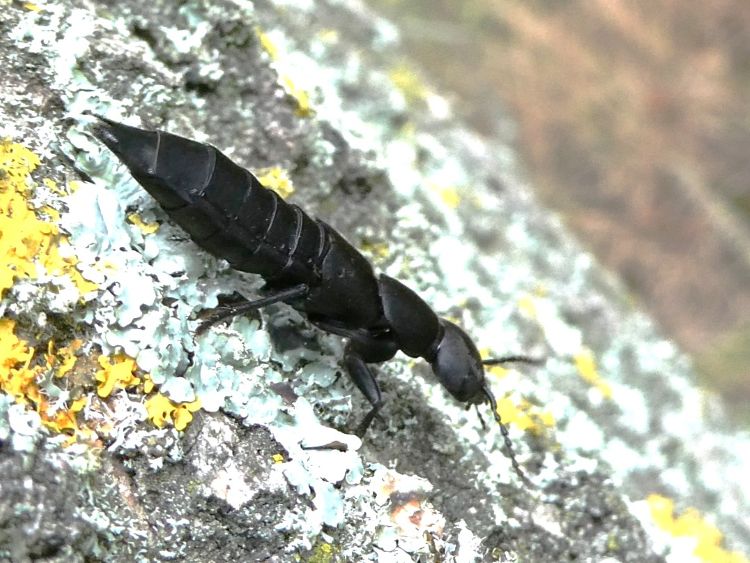
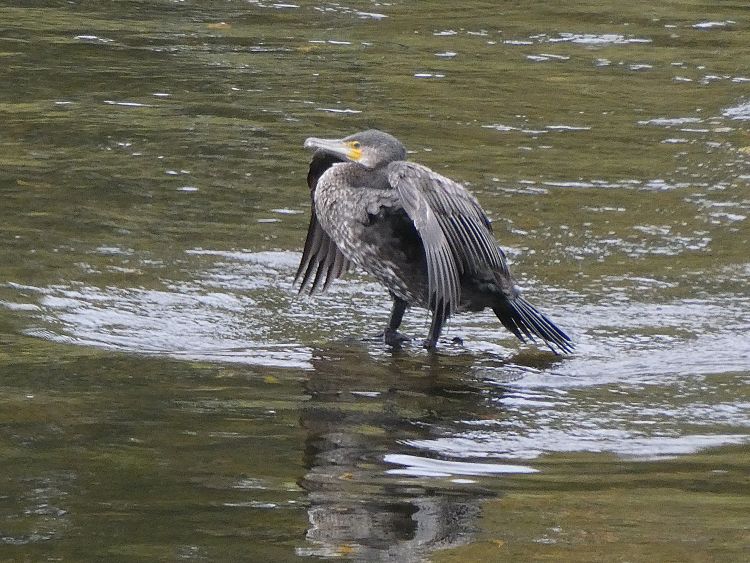
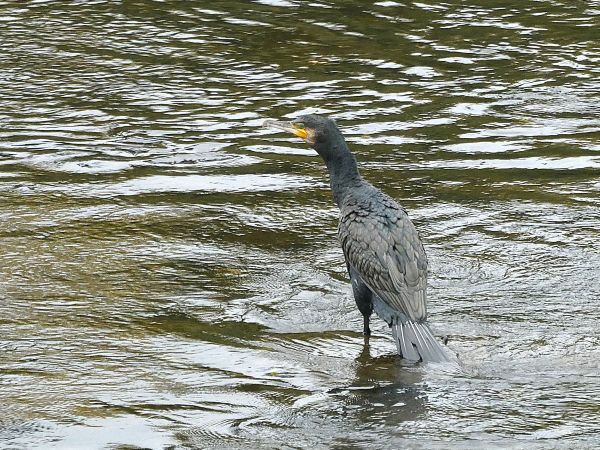
Birds
Lichen
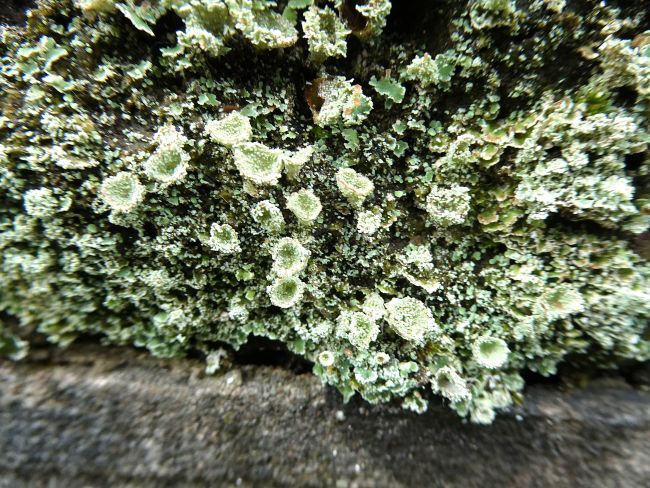
Lichen are only recorded at each new OS Grid location (hover for Grid Ref). They are then entered on the British Lichen Society spreadsheet and submitted for their Warwickshire VC38 Lichen database and Lichen mapping.
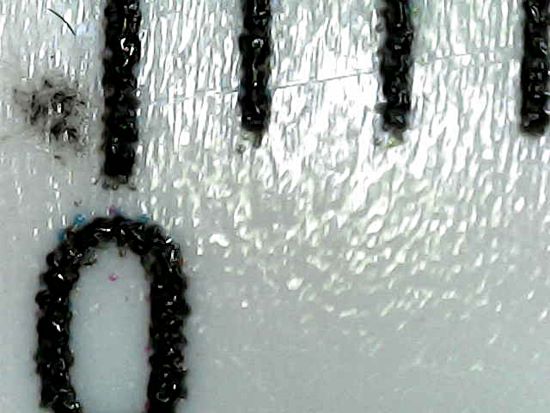
To give a sense of scale all the lichen photographs noted specifically as close up use the scale of the photographed scale bar below which is in millimetres i.e. 1mm to 3mm..
Non-Churchyard Lichen
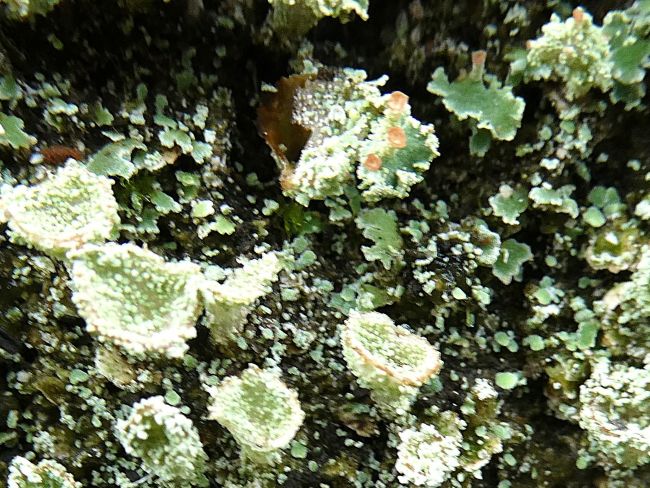
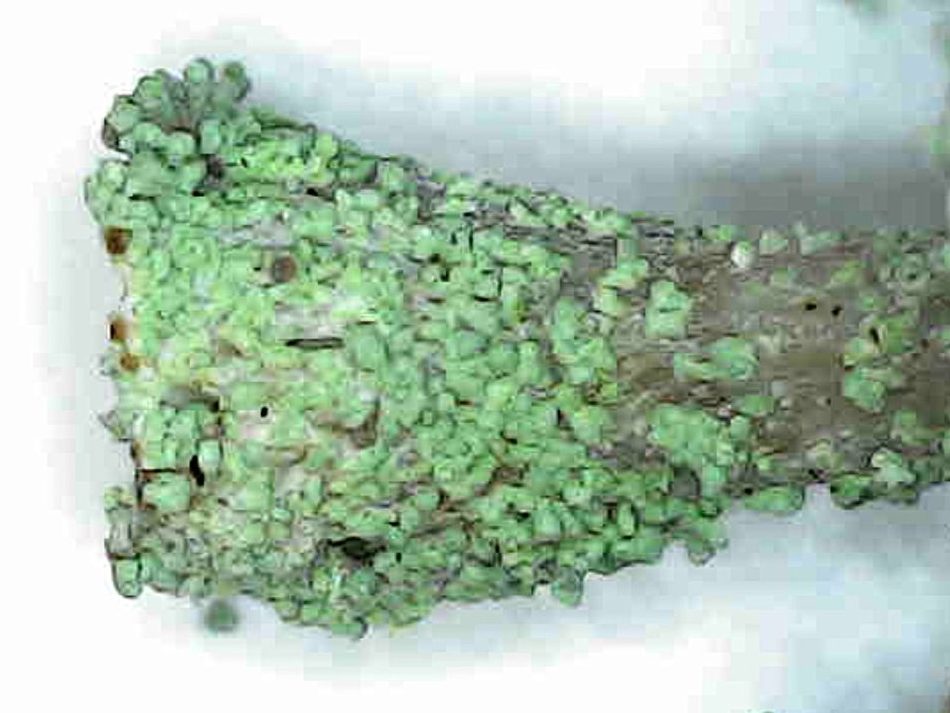
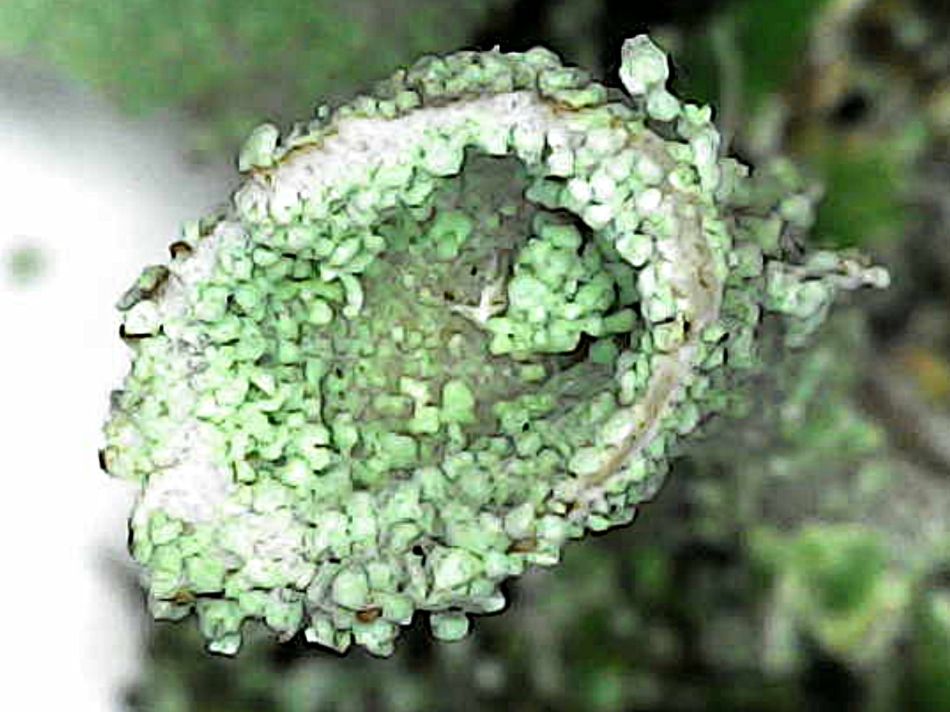
Ones that escaped the camera lens this month
a) Red Kite