Please refer to the Introduction Page to understand the context behind the monthly photographs.
Fungi
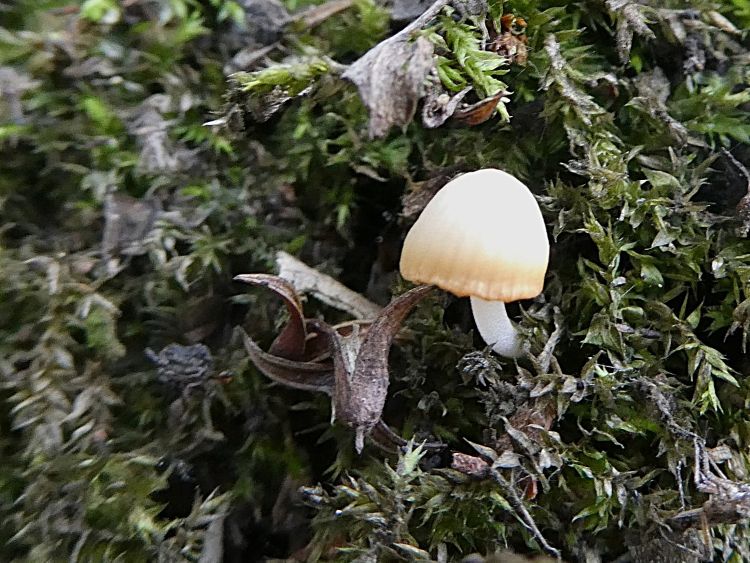
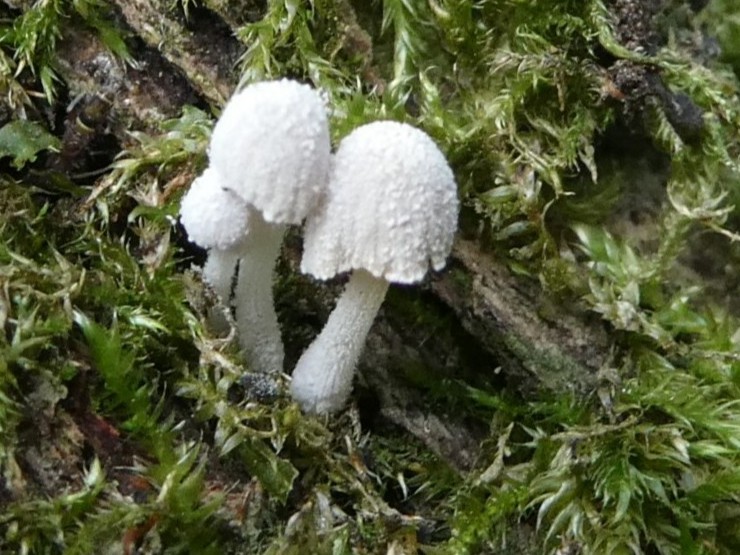
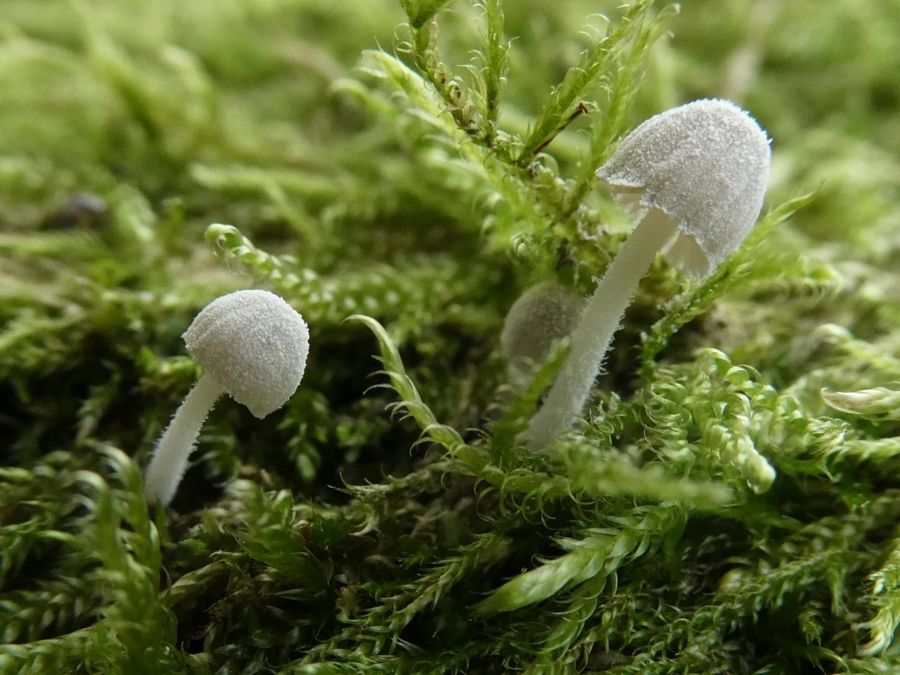
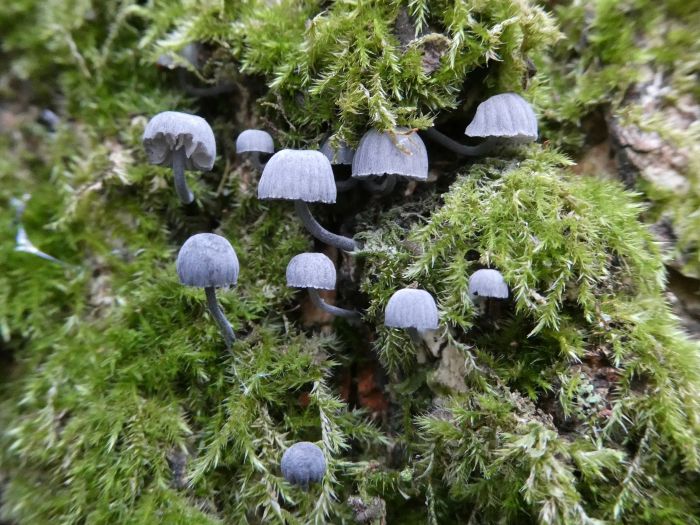
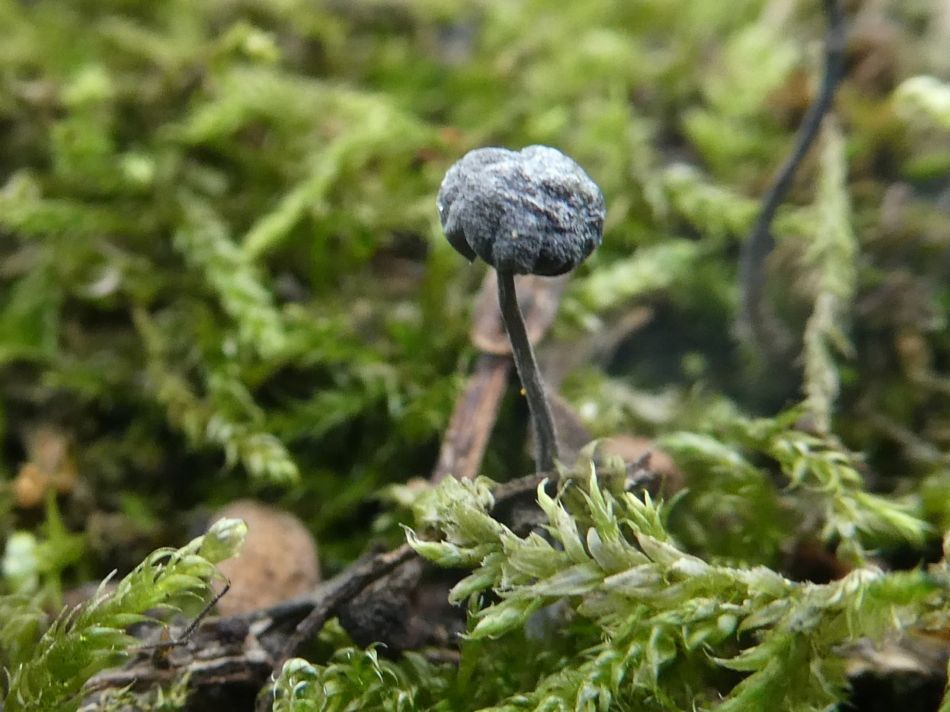
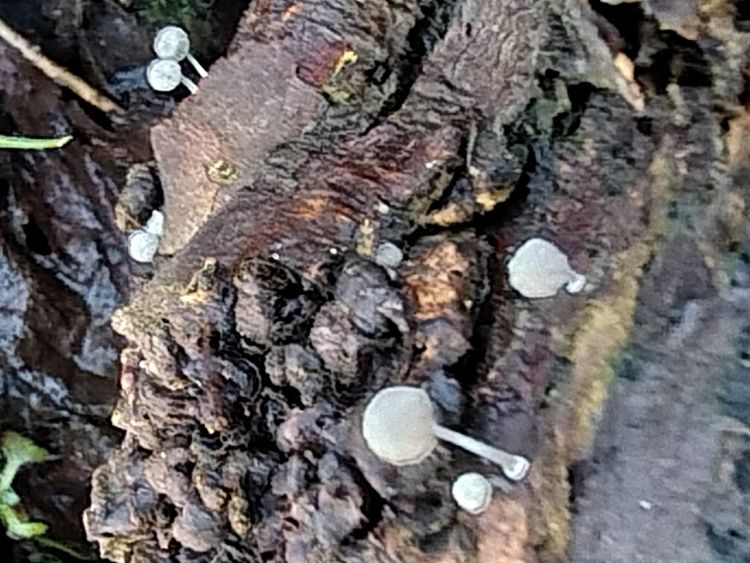
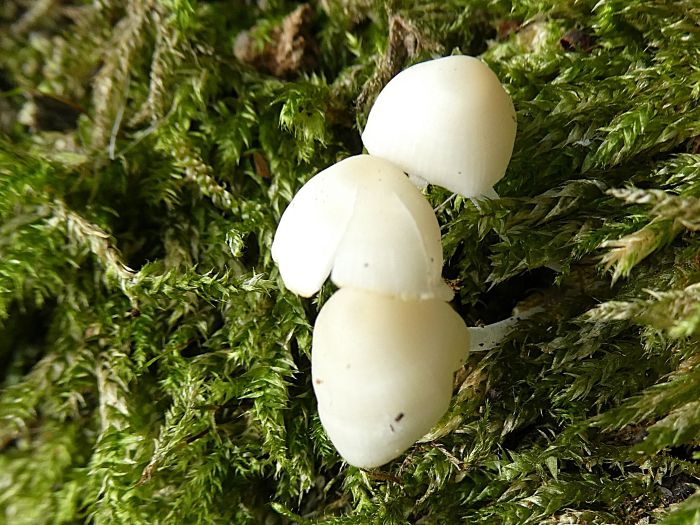
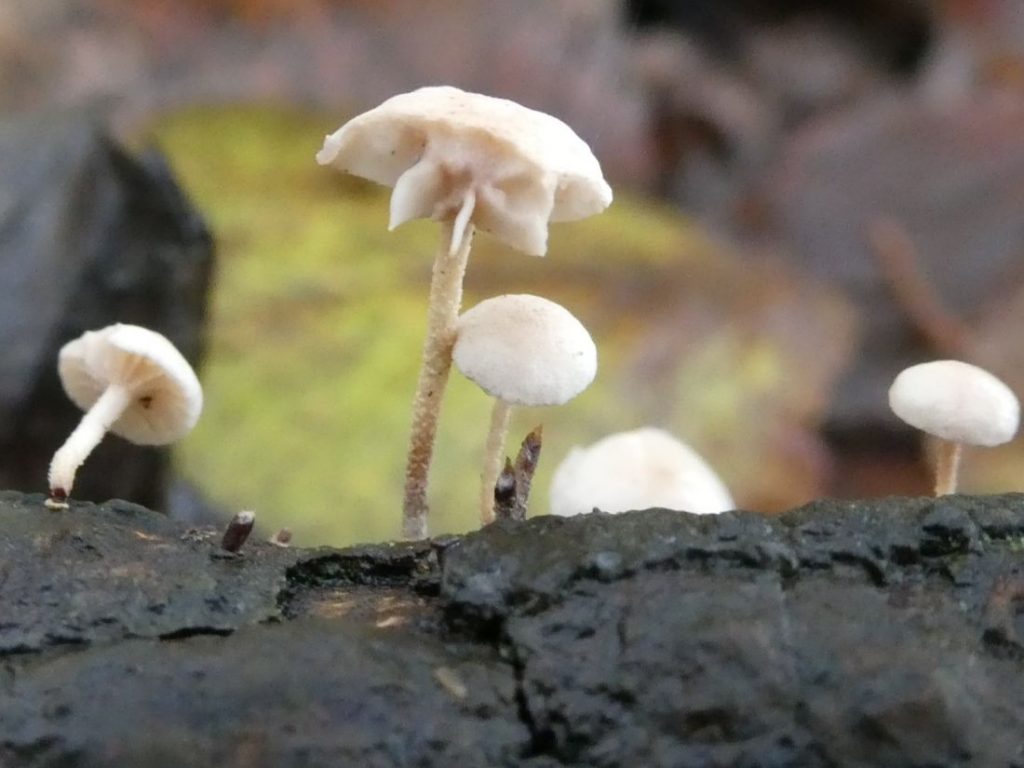
All five of these Mycena Fungi are some of the smallest Fungi at 3-4mm across the cap. Found on different fallen moss covered tree.
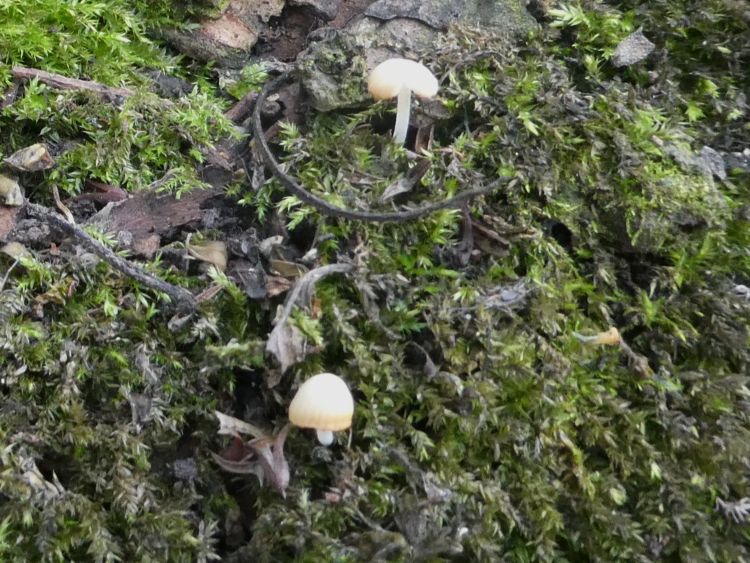
Mycena (possibly) clavularis
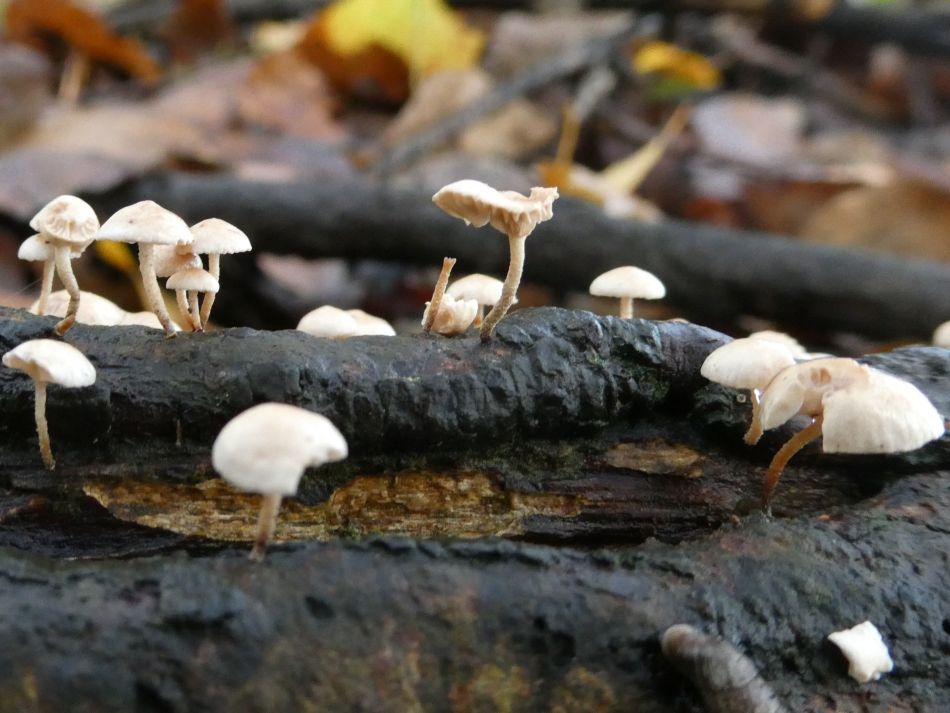
The Twig Parachute Fungus is slightly larger at 3-10mm across the cap.
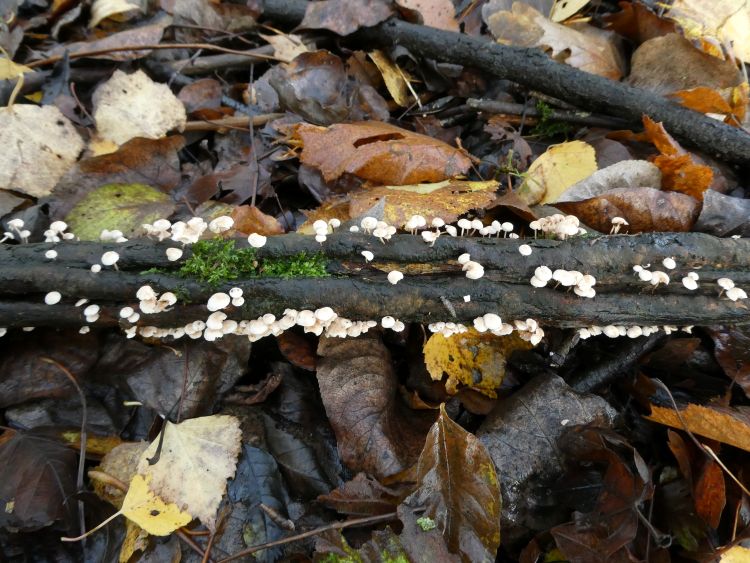
Twig Parachute Fungus (Marasmiellus ramealis)
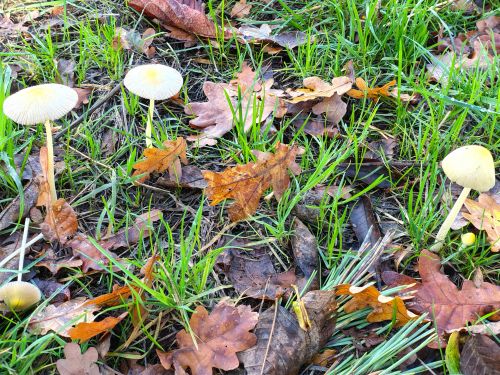
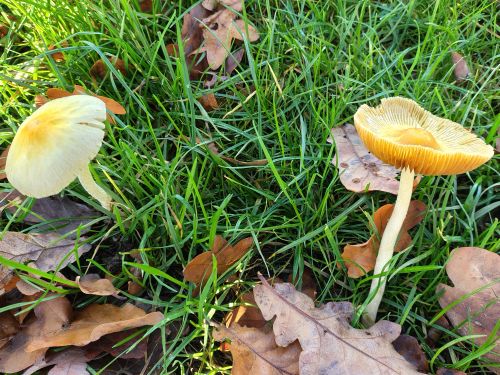
Yellow Field Cap (Bolbitius titubans)
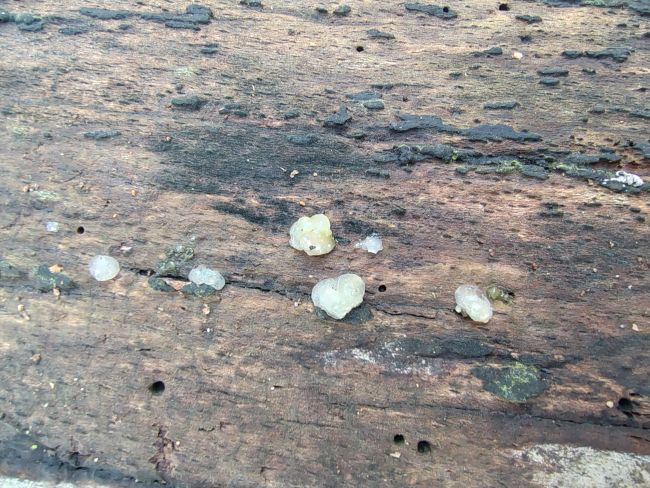
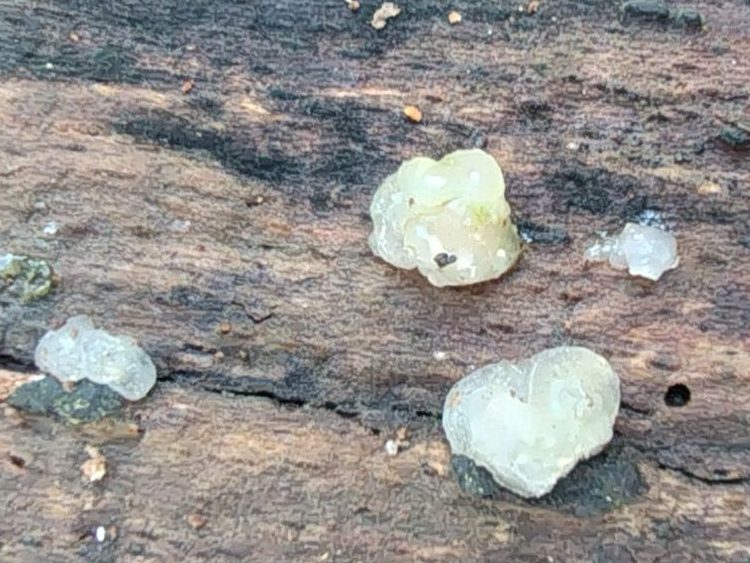
White Brain Fungus (Exidia thuretiana)
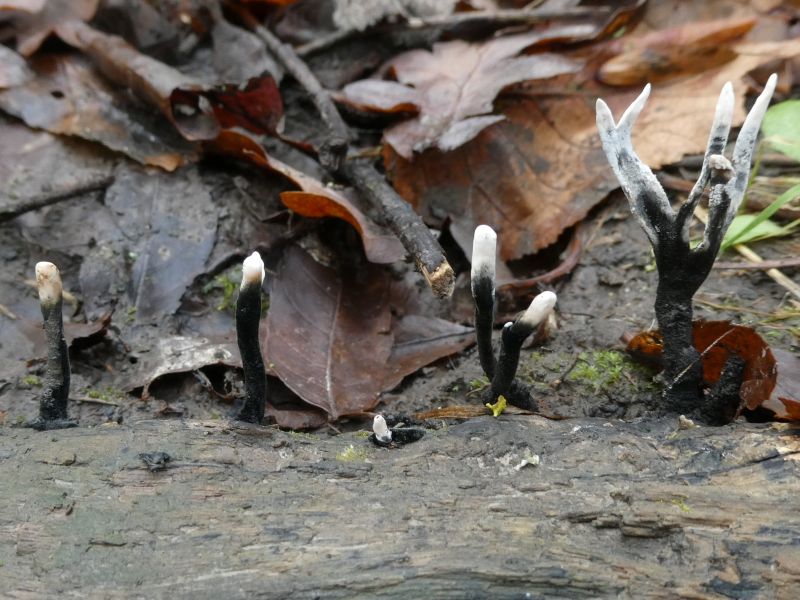
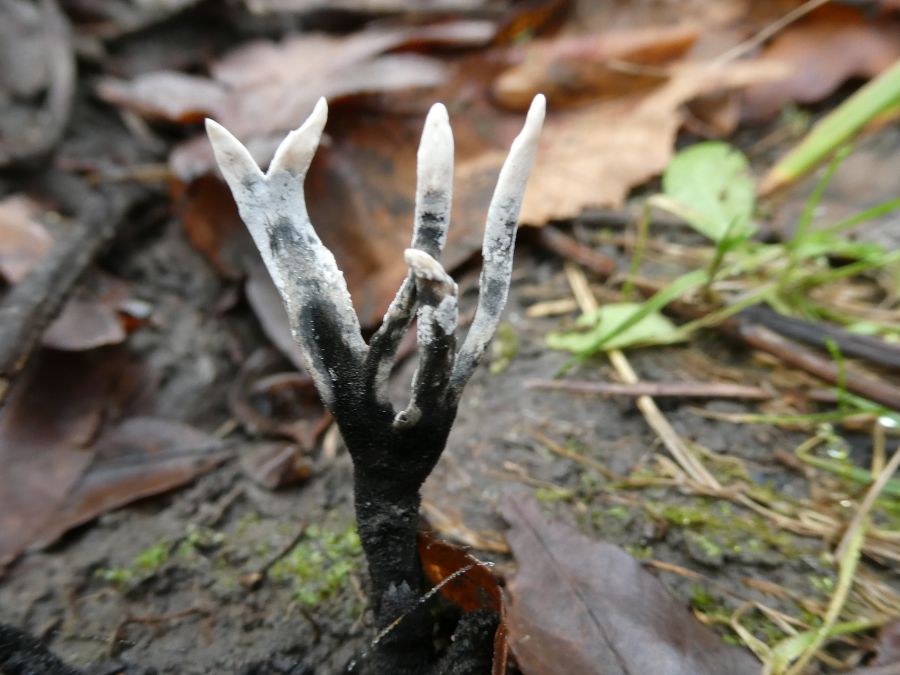
Candle Snuff Fungus (Xylaria hypoxylon)
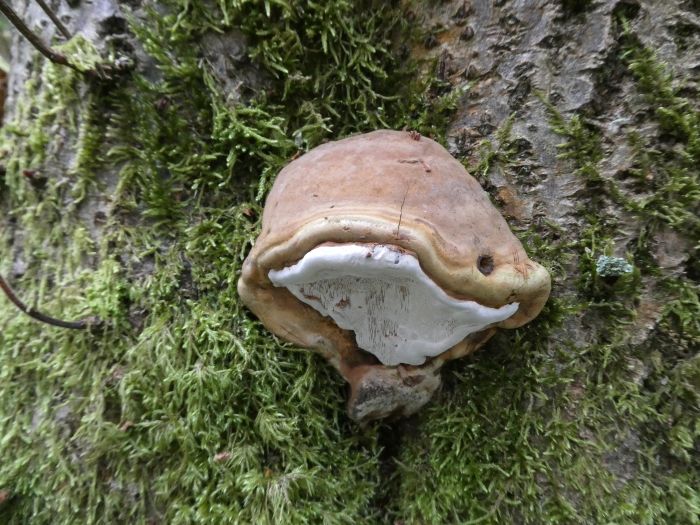
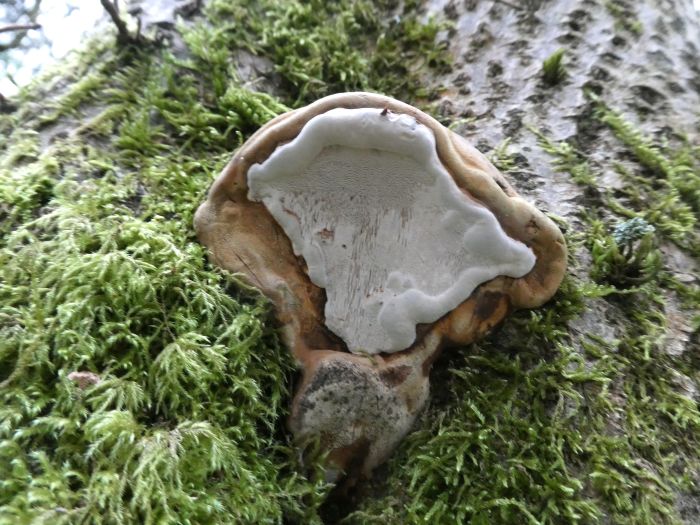
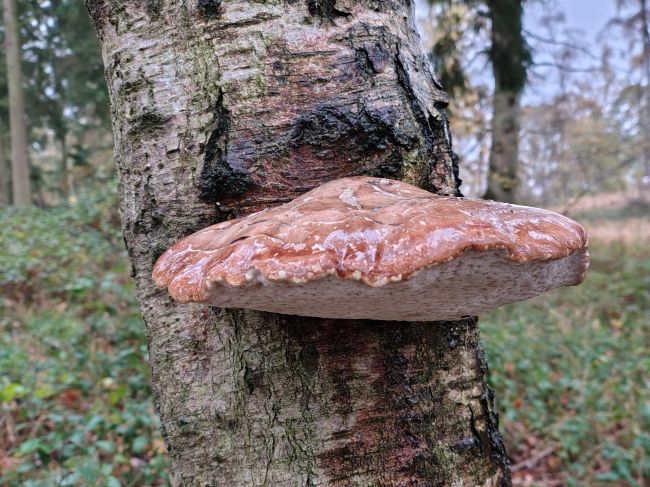
Birch Polypore (Piptoporus betulinus)
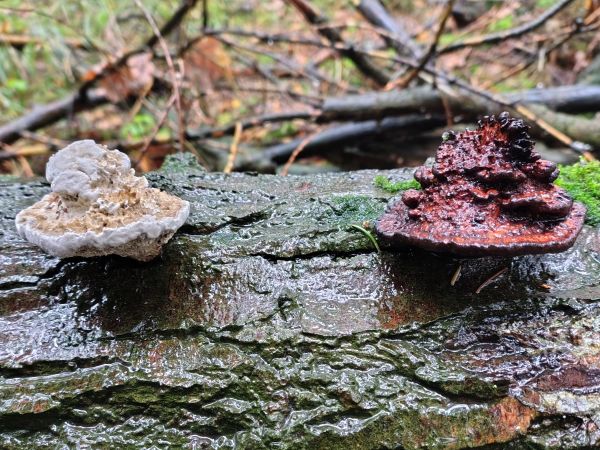
Blushing Brackets (Daedaleopsis confragosa)
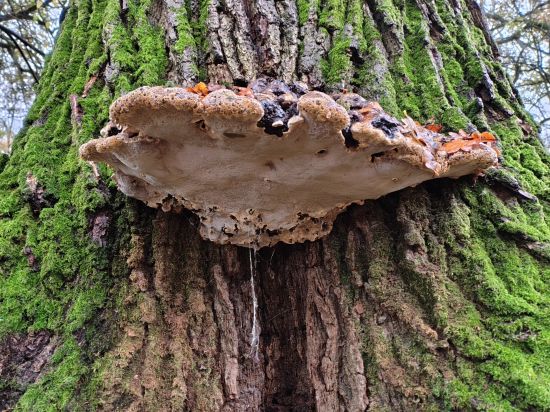
Oak Bracket (Pseudoinonotus dryadeus)
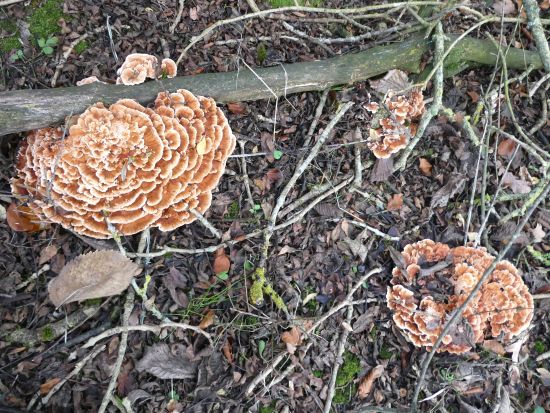
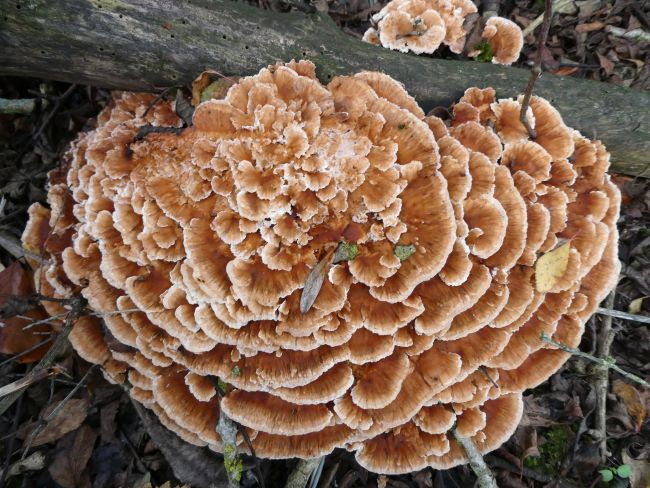
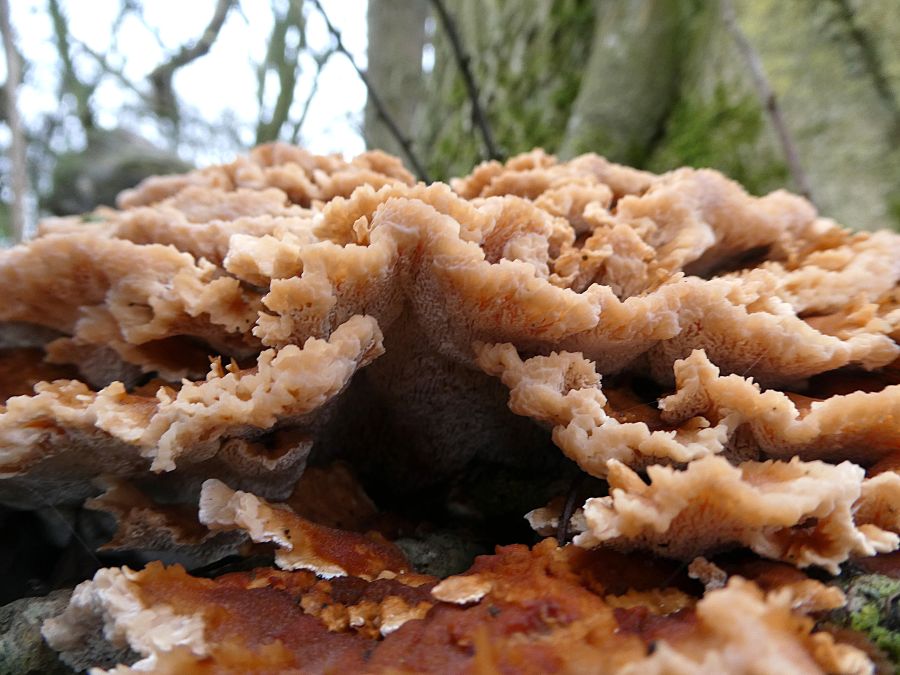
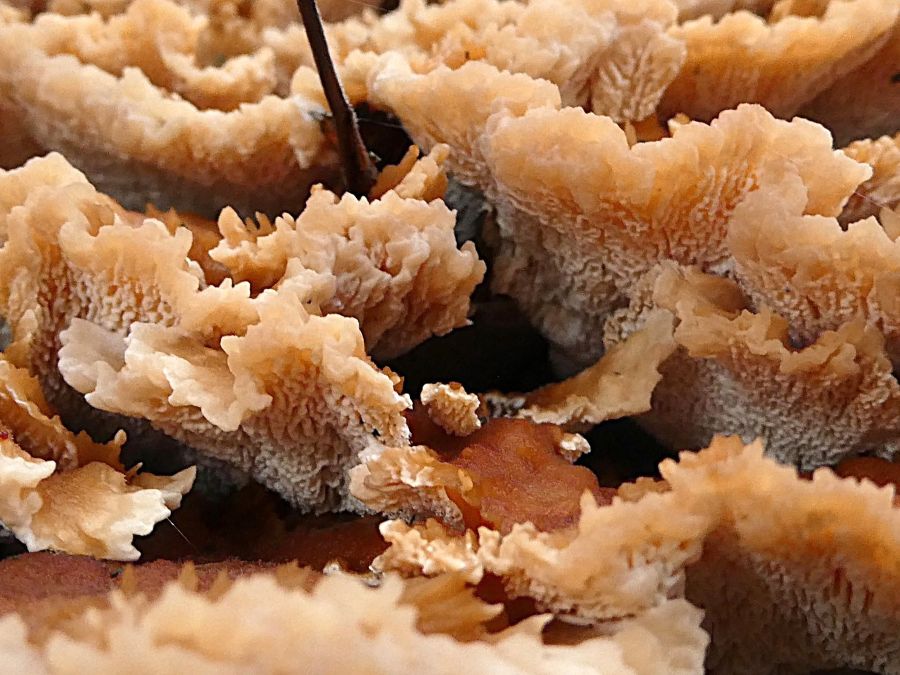
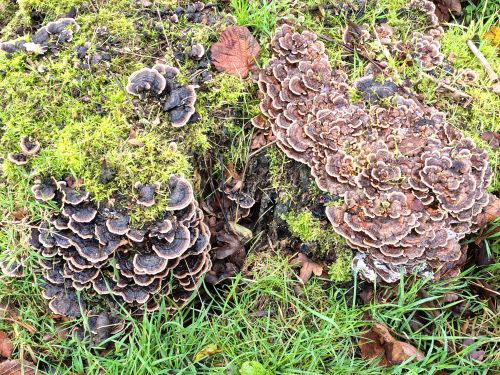
Turkeytail (Trametese Versicolor)
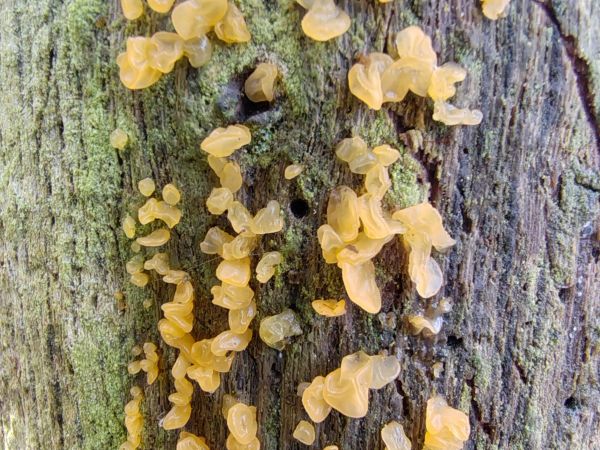
Orange Jelly Fungus (Dacrymyces stillatus)
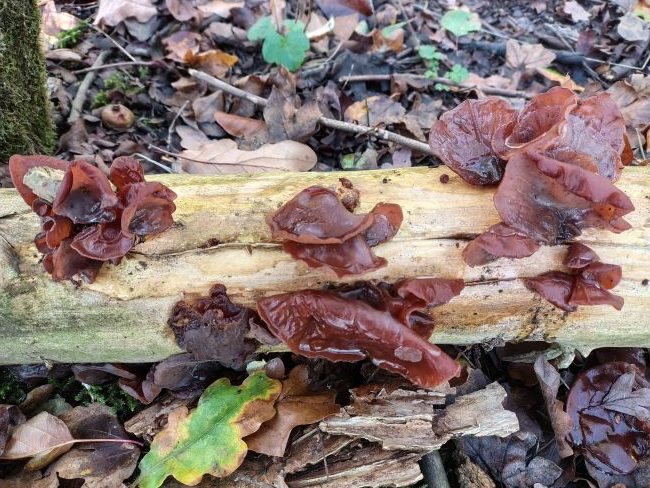
Jelly ear fungus (Auricularia auricula-judae)
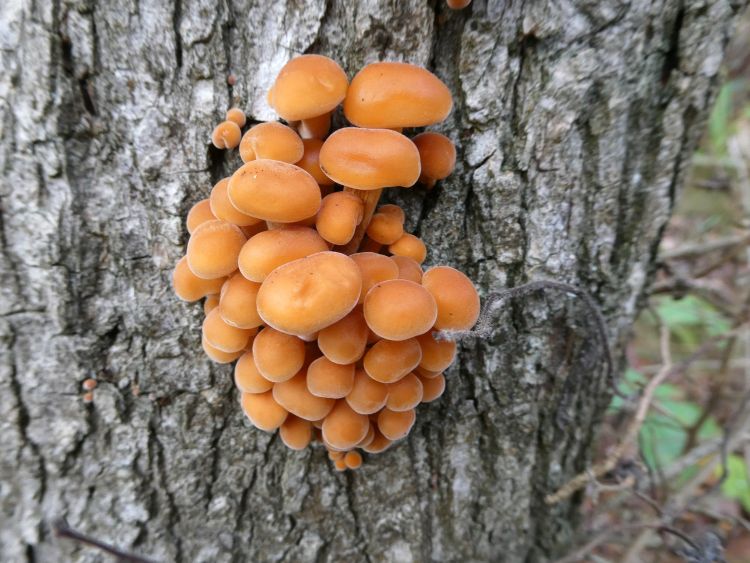
Velvet Shank (Flammulina velutipes)
Ferns - Spleenworts
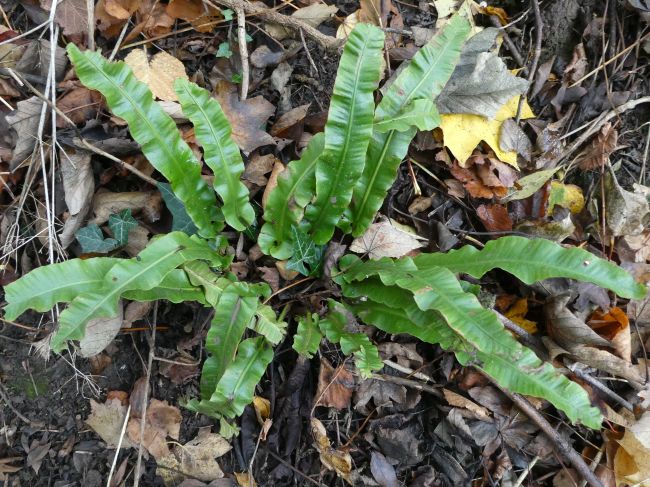
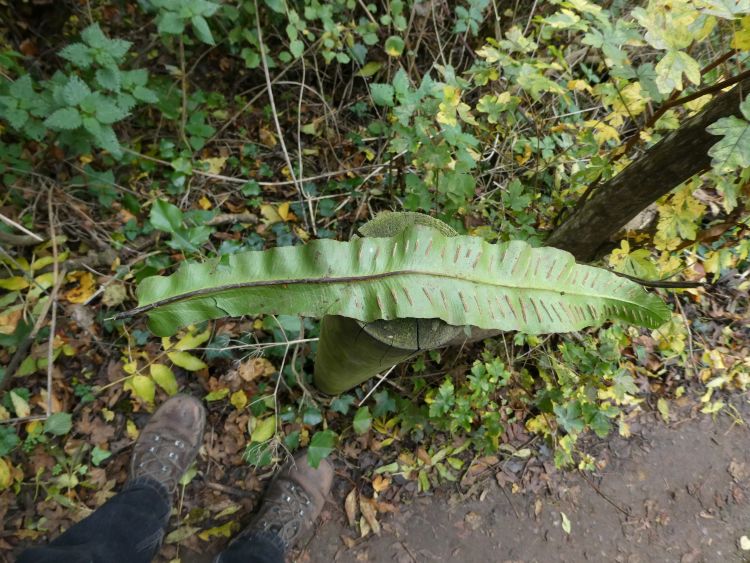
Hart’s tongue fern (Asplenium scolopendrium) Top Surface
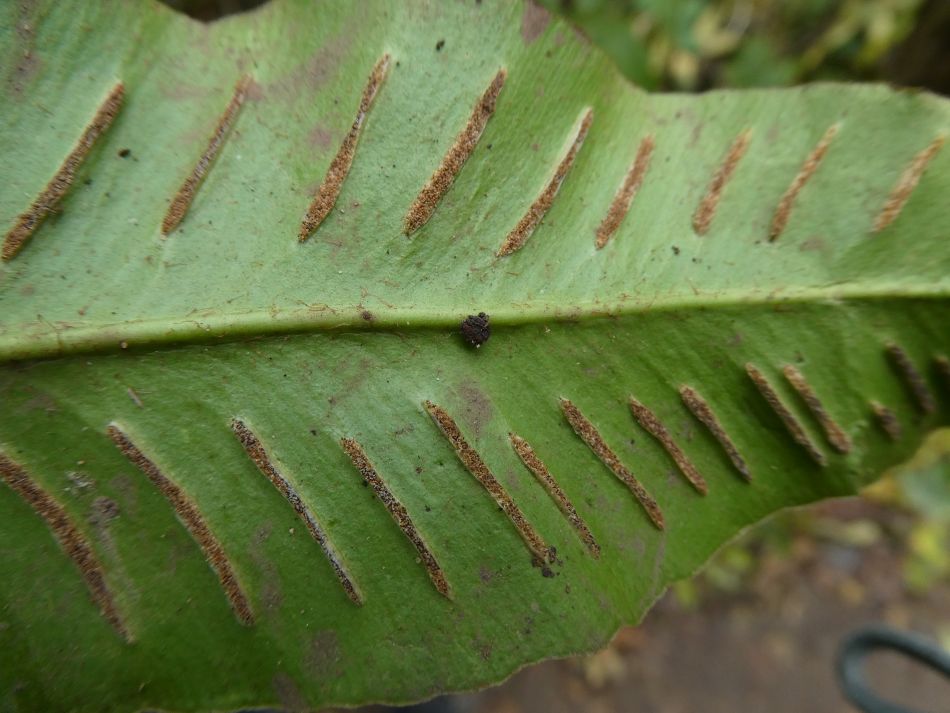
Hart’s tongue fern Bottom Surface
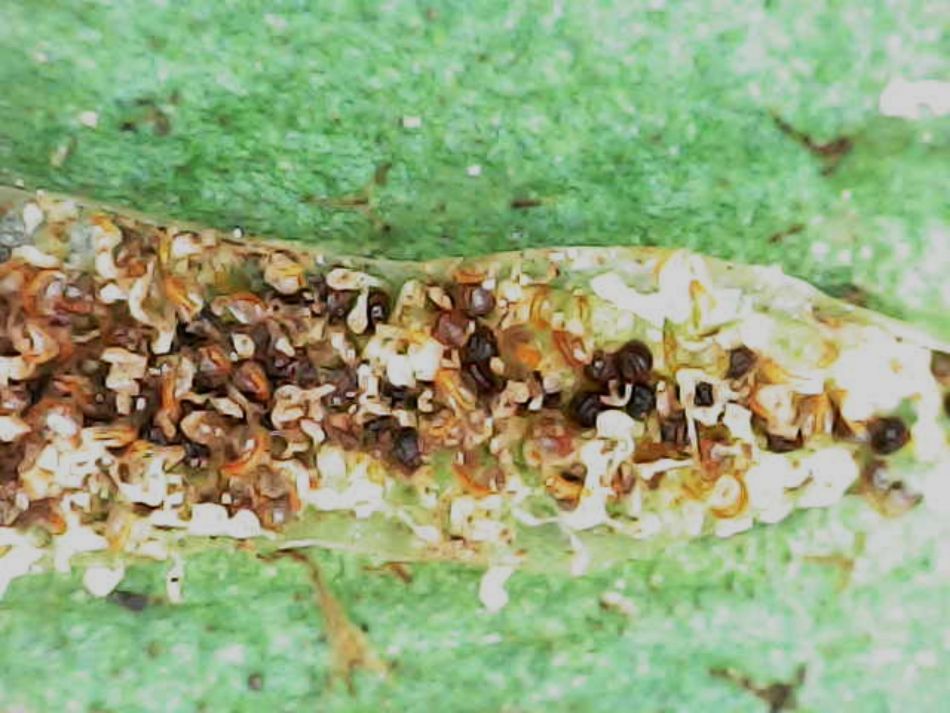
Showing Sori on Underside
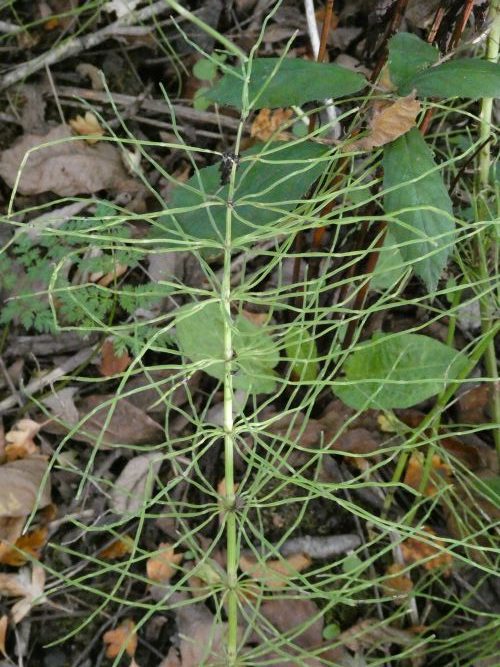
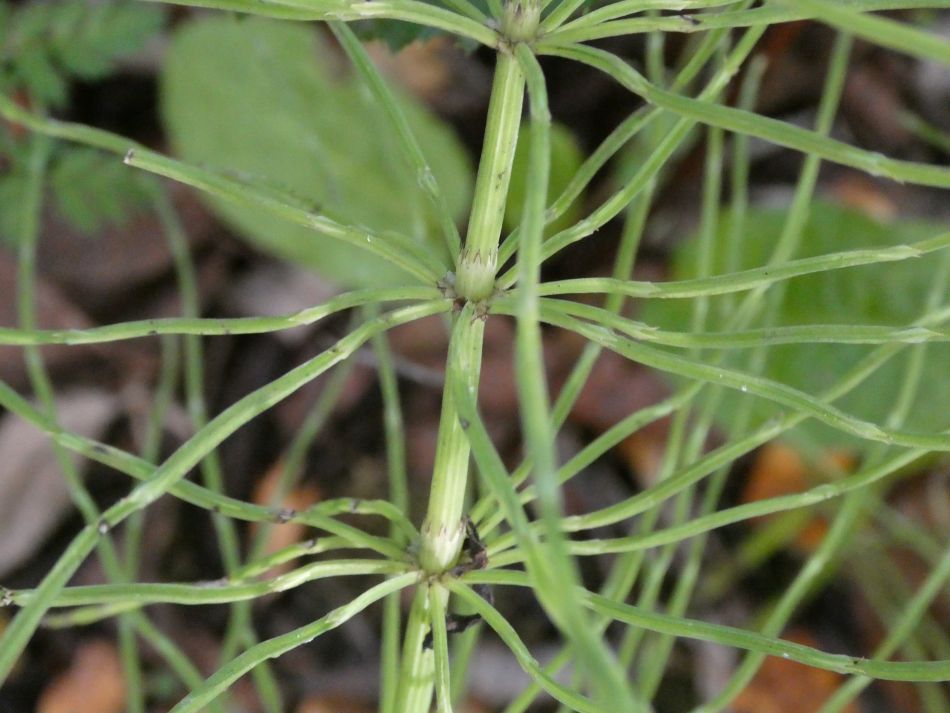
Ferns - Horsetails
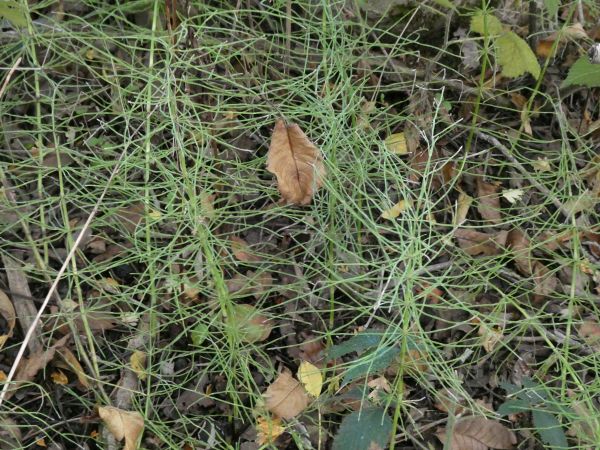
Field Horsetail (Equisetum arvense)
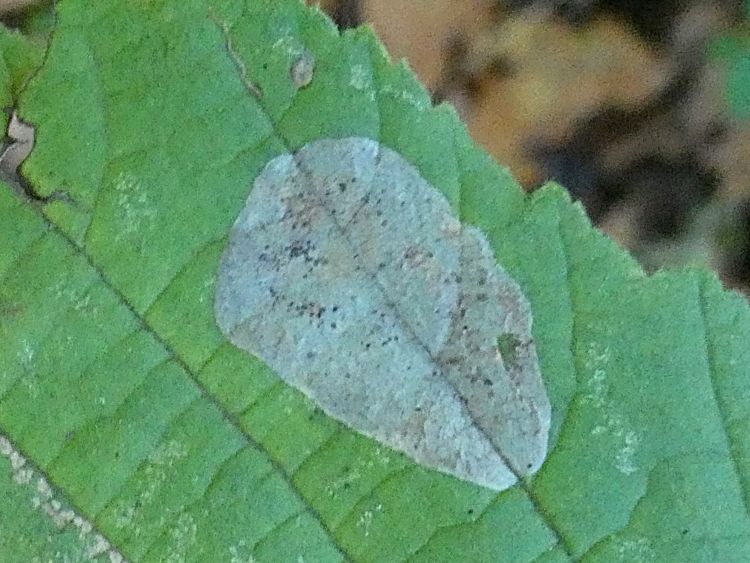
Leaf Miners
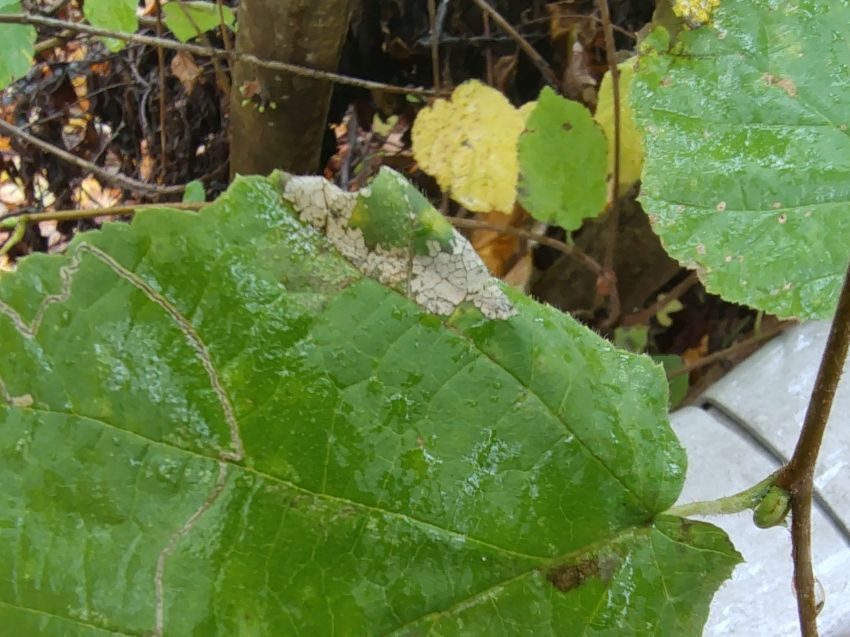
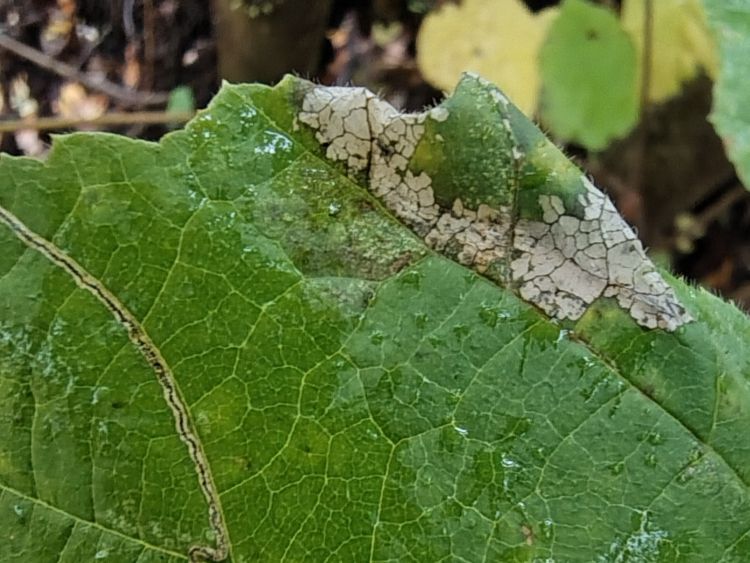
This small moth larva mine the leaves of Hazel causing a round/oval mine on the upper surface of leaves; the mine has a whitish papery surface.
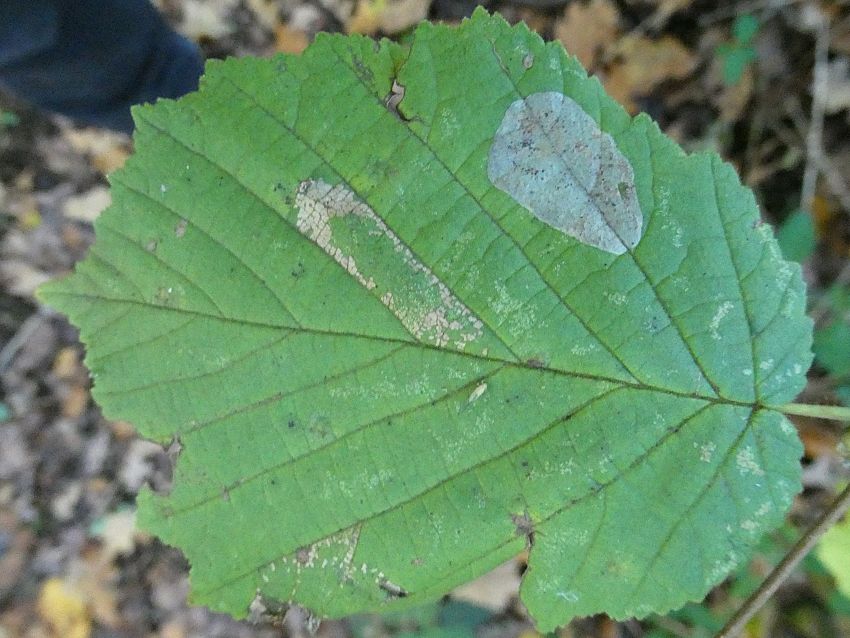
Hazel Leaf-Nut Leaf Blister - mined by Phyllonorycter coryli Micro-moth
Hazel Leaf mined by Phyllonorycter nicellii Micro-Moth
Slime moulds
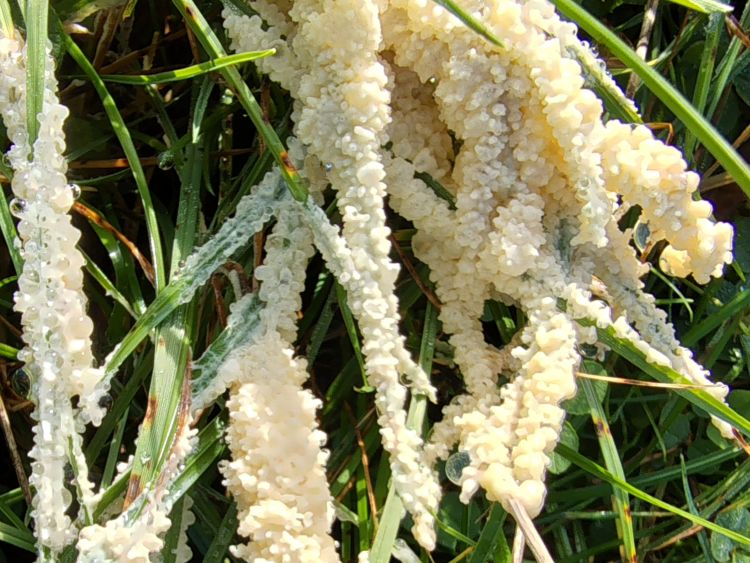
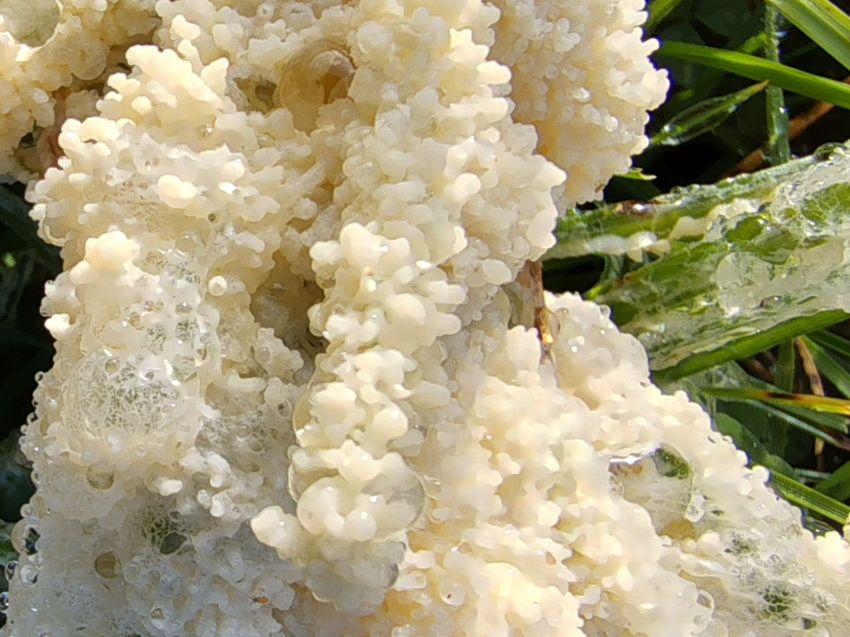
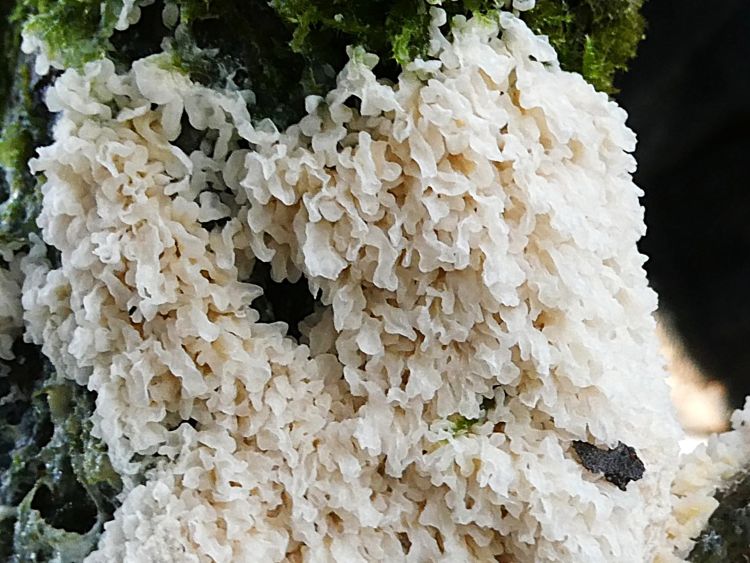
Note- This Slime mould (Mucilago crustacea) now seems to renamed as (Didymium spongiosum).
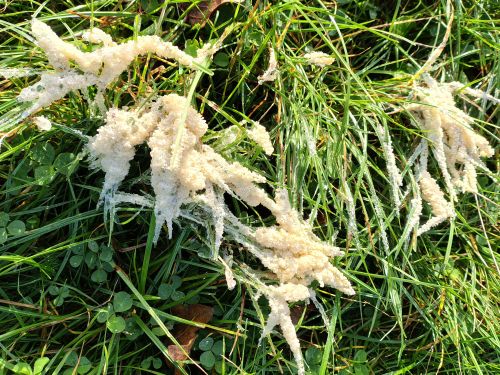
Dog Sick Slime Mould (Mucilago crustacea)
This time located on tree moss with different stage of development for this Slime mould.
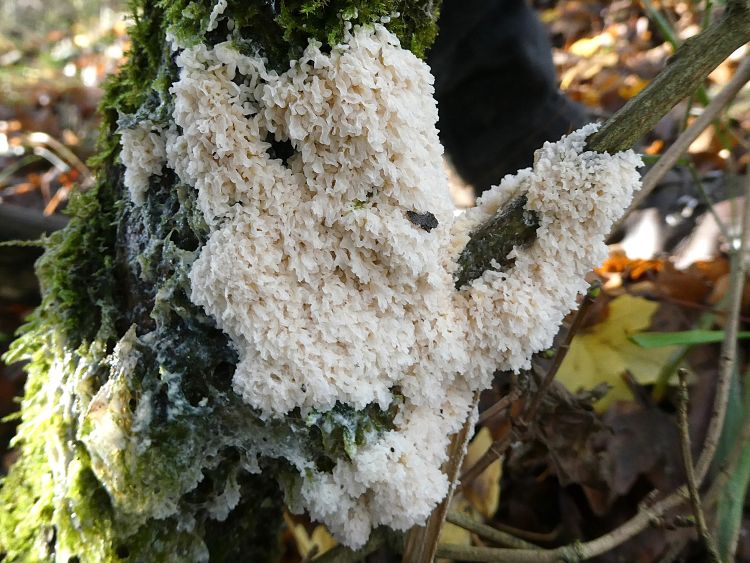
Dog Sick Slime Mould (Mucilago crustacea)
Spiders
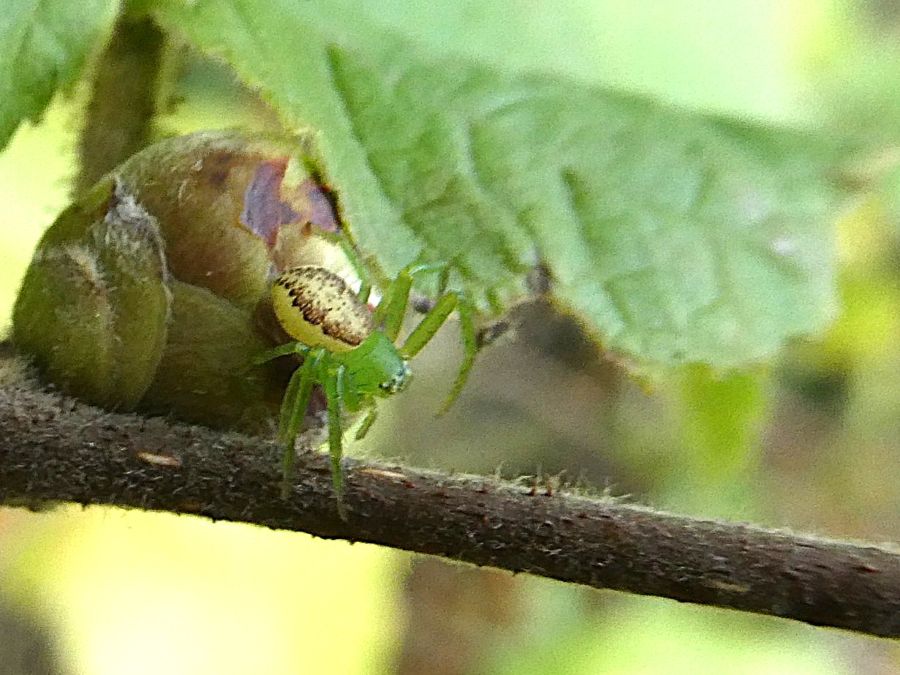
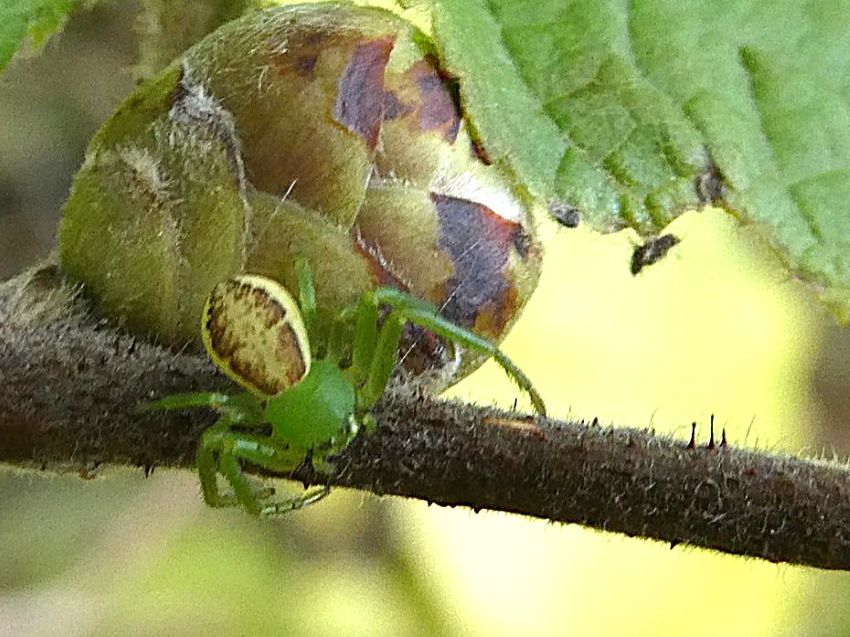
Diaea dorsata is one of the smaller crab spiders. Females can grow up to 6 mm, males up to 4 mm. This spider can change its colour to fit its surroundings; however, the process takes several days although this one seems well in control of how to hide next to the Hazel bud.
Ones that escaped the camera lens this month
a) Red Kite
b) Red Admirals
c) Roe Deer Hind
d) Pair of Muntjac Deer
Page Views starting March 2022: 4