Please refer to the Introduction Page to understand the context behind the monthly photographs.
Fungi
Ferns
Mosses
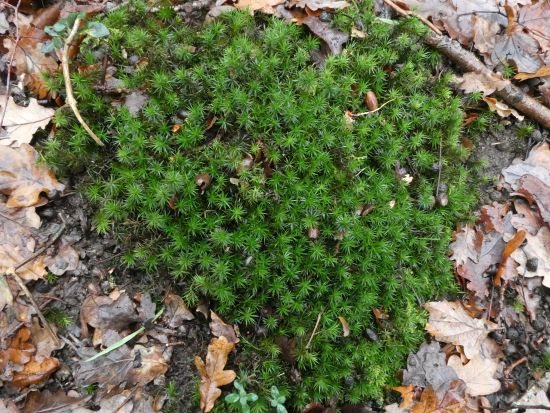
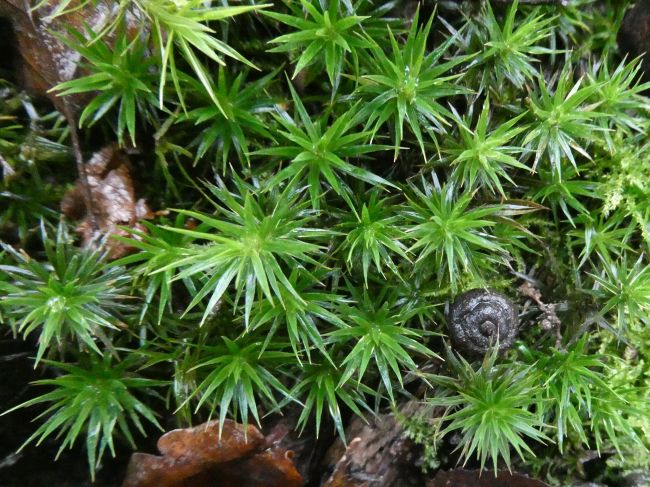
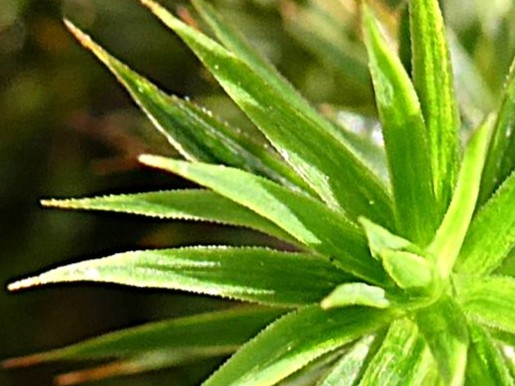
There are around five species of hair moss which are very difficult to tell apart. The largest moss in the UK the Marsh hair moss ( Common haircap) grows in damp woodland as does the Bank haircap forming large cushions or hummocks. The fruiting bodies appear in the summer.
Woodland Flowers
Slime moulds
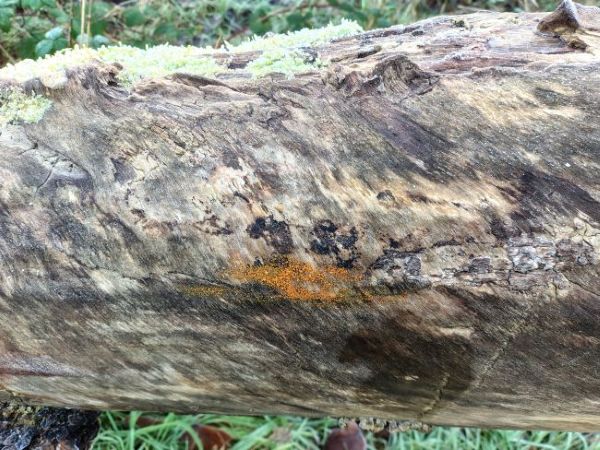
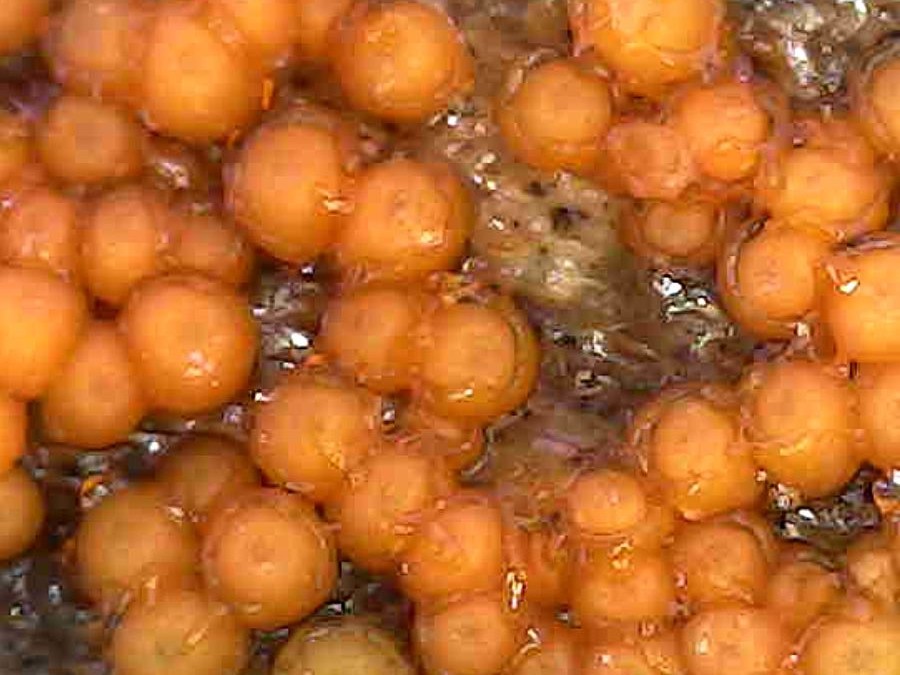
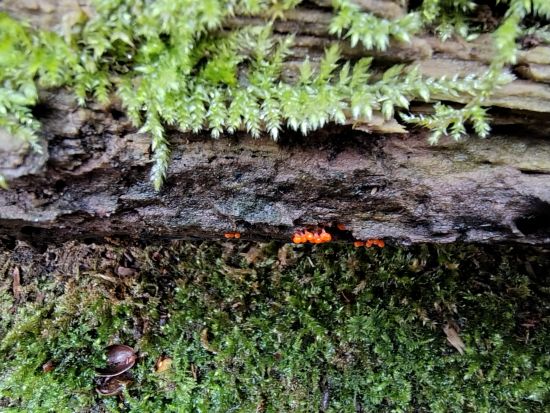
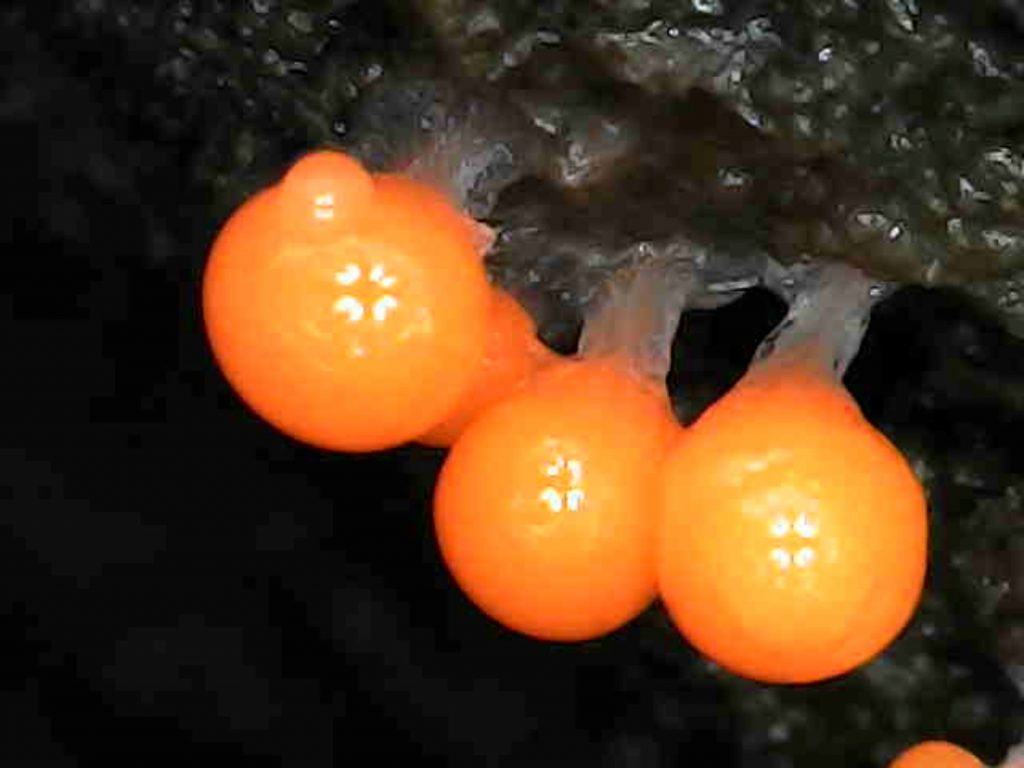
Trichia decipiens grows initially as tiny white pear-shaped balloons that turn pink, then yellow to olivaceous brown. The spore mass within grows until their force causes rupture catapulting the spores out into the atmosphere.
Trees
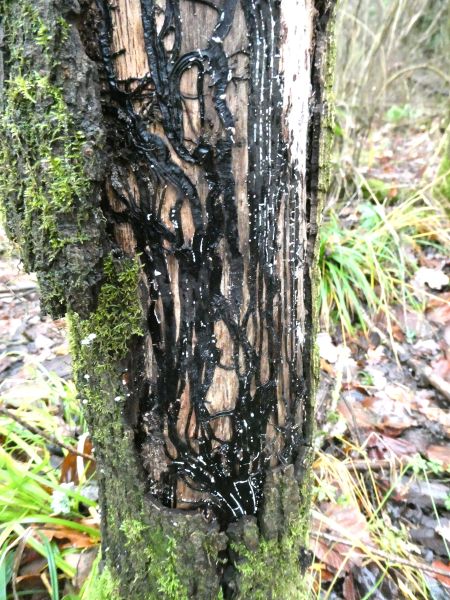
The Honey Fungus spreads by spores from the cap and by these black bootlaces called Rhizomorphs. The Rhizomorphs can be found on the tree roots spreading up the tree beneath the bark and through the soil travelling long distances through the ground to infect other trees. This fungus is the most dangerous parasite of trees causing white rot and arising in the death of the tree. There is no cure making this fungus responsible for large tree losses each year.
Lichen
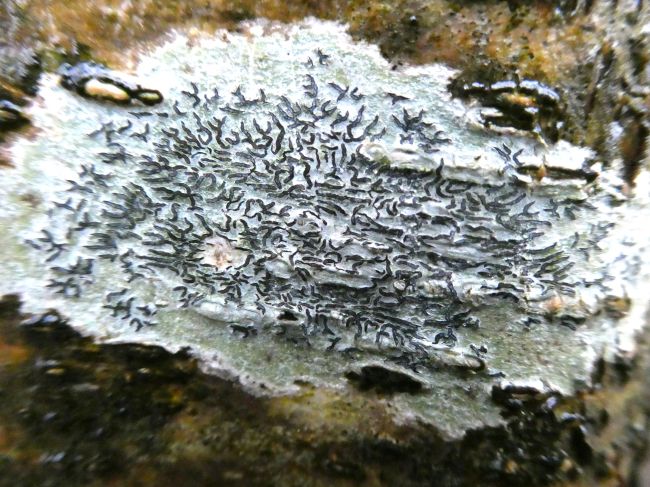
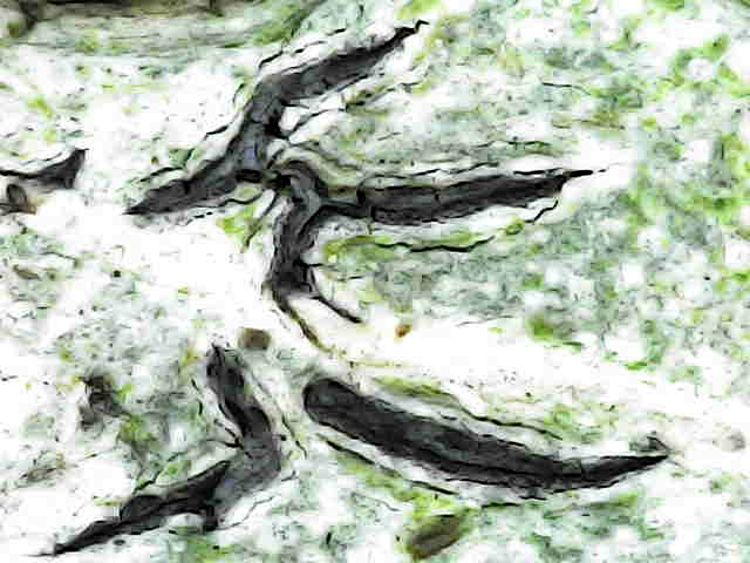
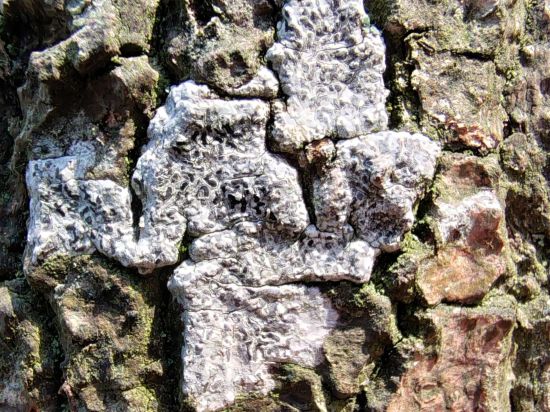
Lichen are only recorded at each new OS Grid location (hover for Grid Ref). They are then entered on the British Lichen Society spreadsheet and submitted for their Warwickshire VC38 Lichen database and Lichen mapping.
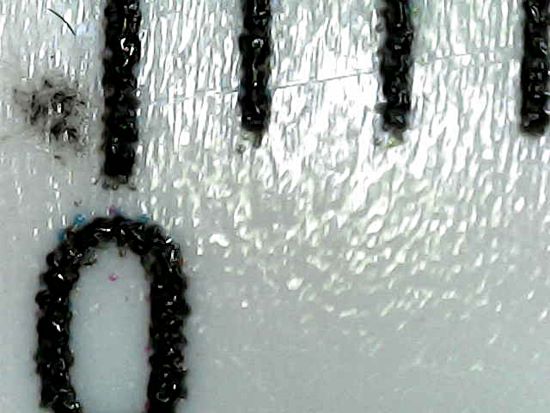
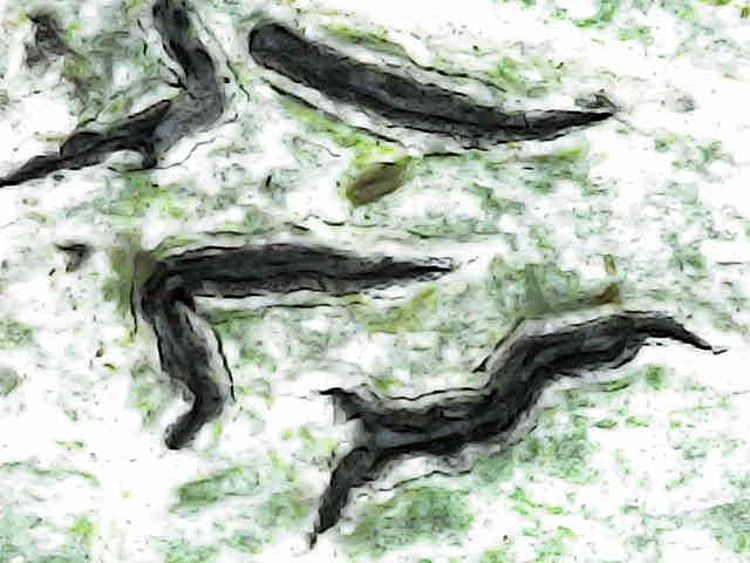
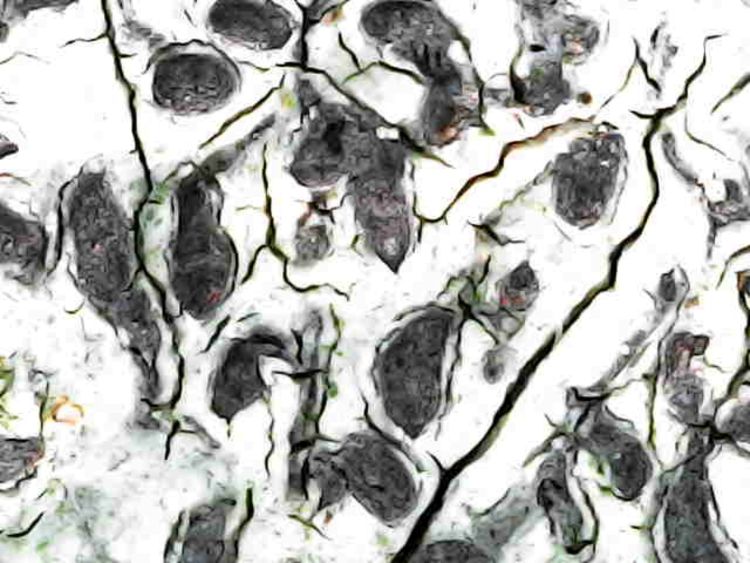
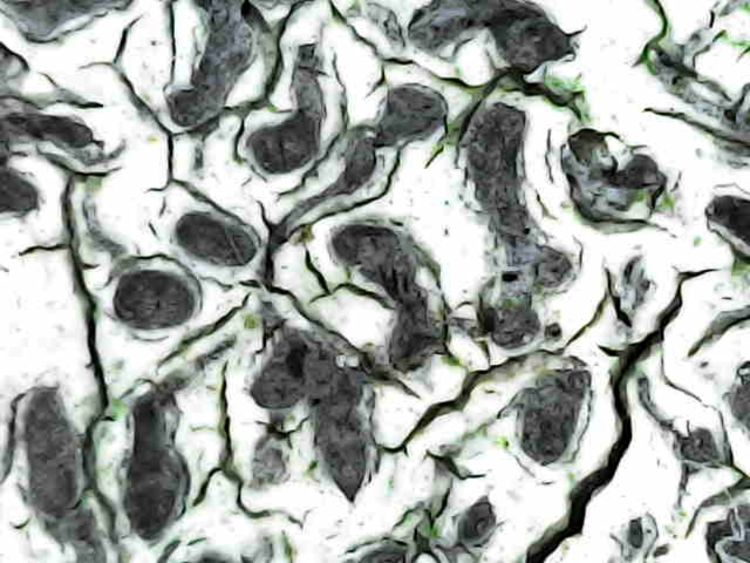
To give a sense of scale all the lichen photographs noted specifically as close up use the scale of the photographed scale bar below which is in millimetres i.e. 1mm to 3mm..
Non-Churchyard Lichen
Ones that escaped the camera lens this month
a) Roe Deer
b) Brown Hare
c) Pair of Red Kites